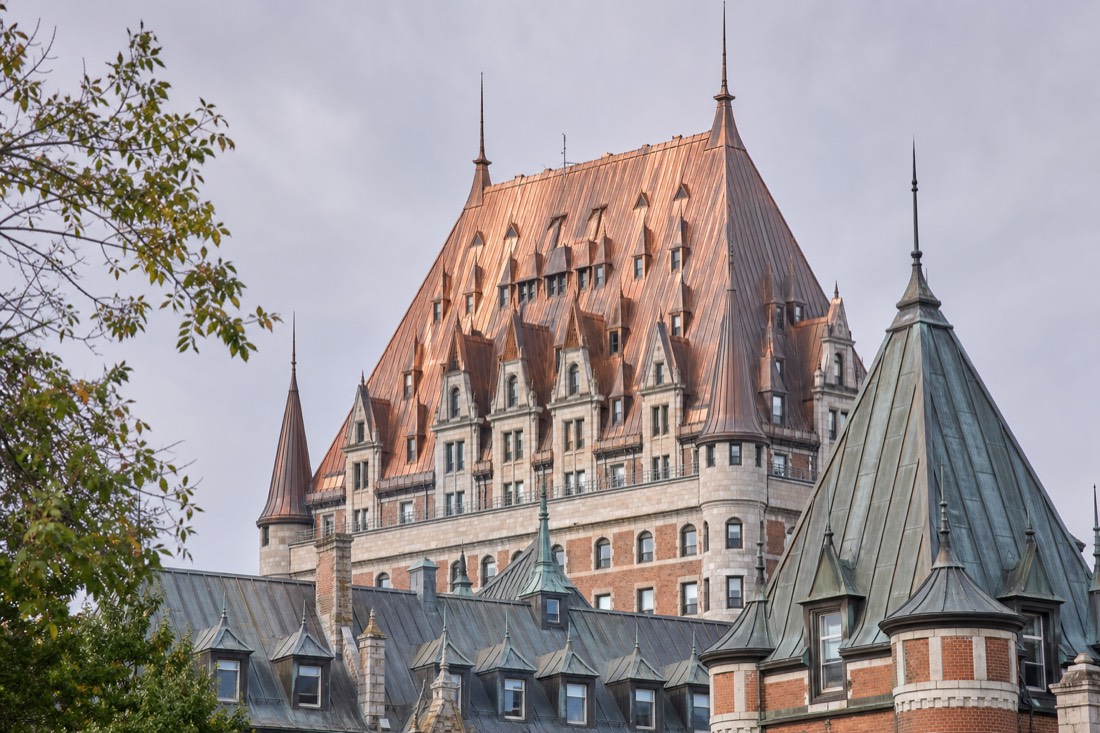
Upper Town
Dufferin Terrace
430 metres of boardwalk under the Château, with the river below and an archaeological crypt underneath that costs nothing to enter. Fifteen minutes, or an hour if the buskers are good.
The whole historic district fits into 135 hectares, which is smaller than most airports. Inside that square kilometre and a bit sit a fortress, a cathedral with a holy door, a battlefield, four gates and a hotel that looks like a castle. This page is the map: what each place is, what it costs, how long it takes, and whether it deserves your morning.
 Mapped by Jean-Pierre Tremblay, Quebec City tour guide & heritage specialist
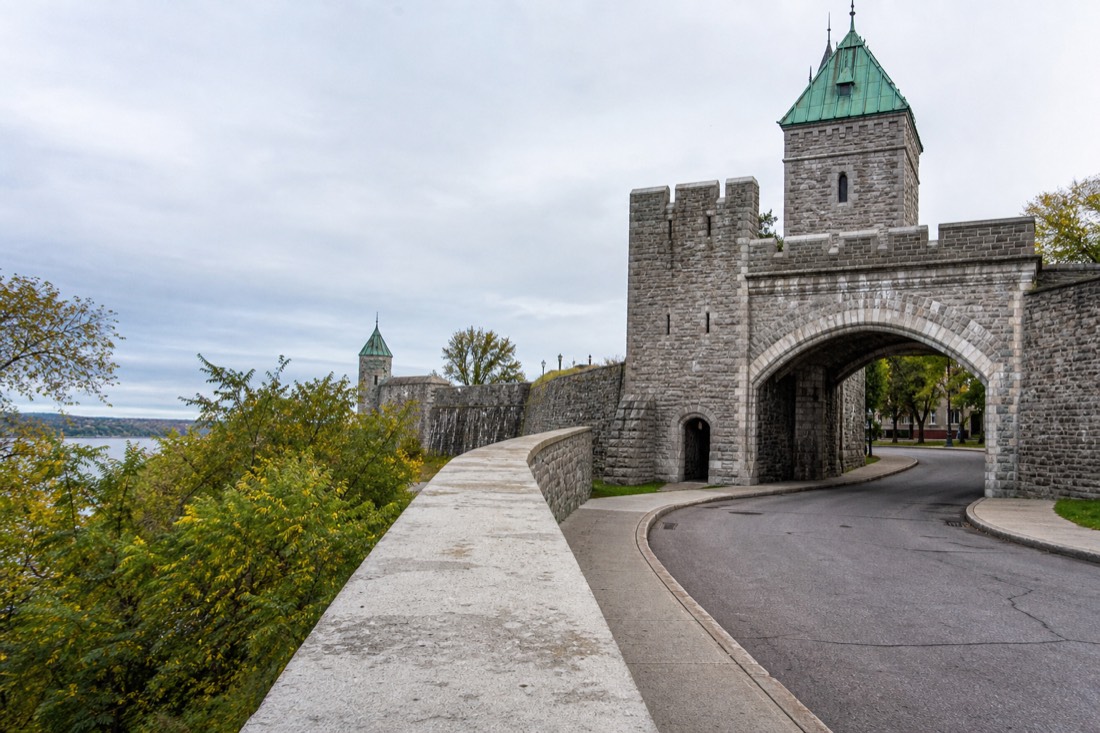
What is Old Quebec, exactly?
The Historic District of Old Québec covers 135 hectares and went onto the UNESCO World Heritage List in 1985. It splits in two: Upper Town on top of Cap Diamant, ringed by ramparts and anchored by the Citadelle, and Lower Town below the cliff, built around Place Royale and the old harbour. Everything below sits inside that district or a short walk beyond it.
I guide these streets most days of the week, and the question I answer most is not "what is worth seeing" but "what fits". So here is the district ranked by how much of your day each place takes, with the guides that go deeper.
Upper Town
430 metres of boardwalk under the Château, with the river below and an archaeological crypt underneath that costs nothing to enter. Fifteen minutes, or an hour if the buskers are good.
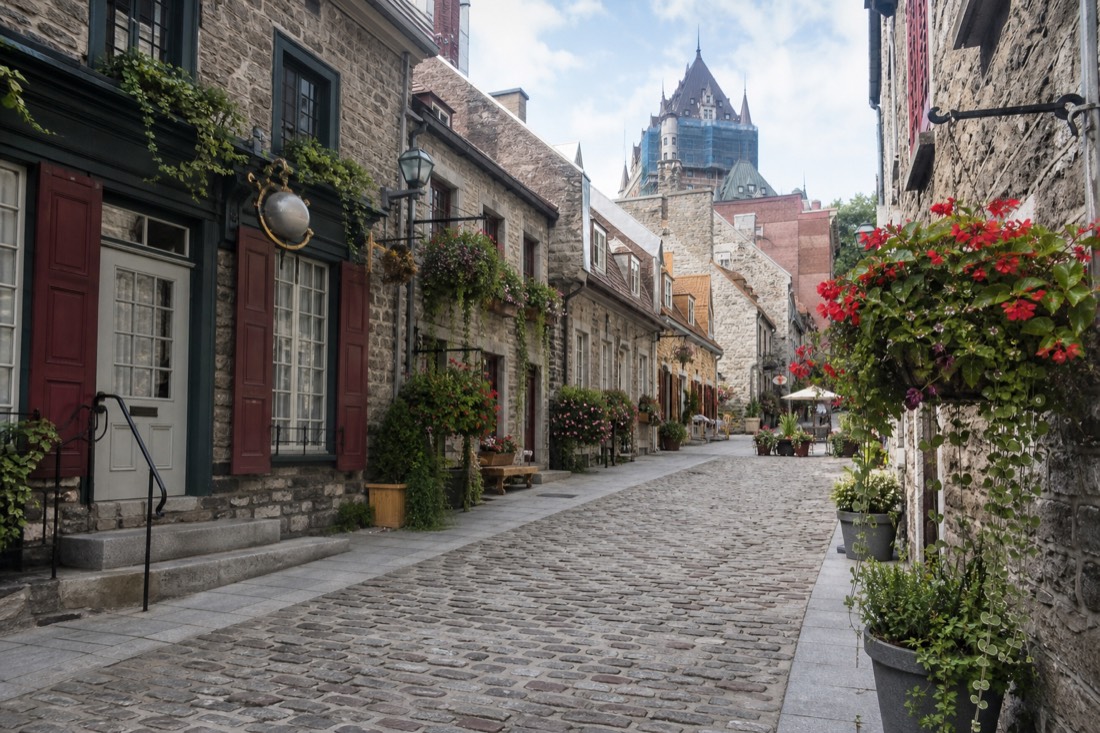
Lower Town
A 0.26 km street of boutiques below the cliff, reached by 59 stairs or the funicular. Busy by eleven, lovely by eight. Budget an hour with a coffee stop.
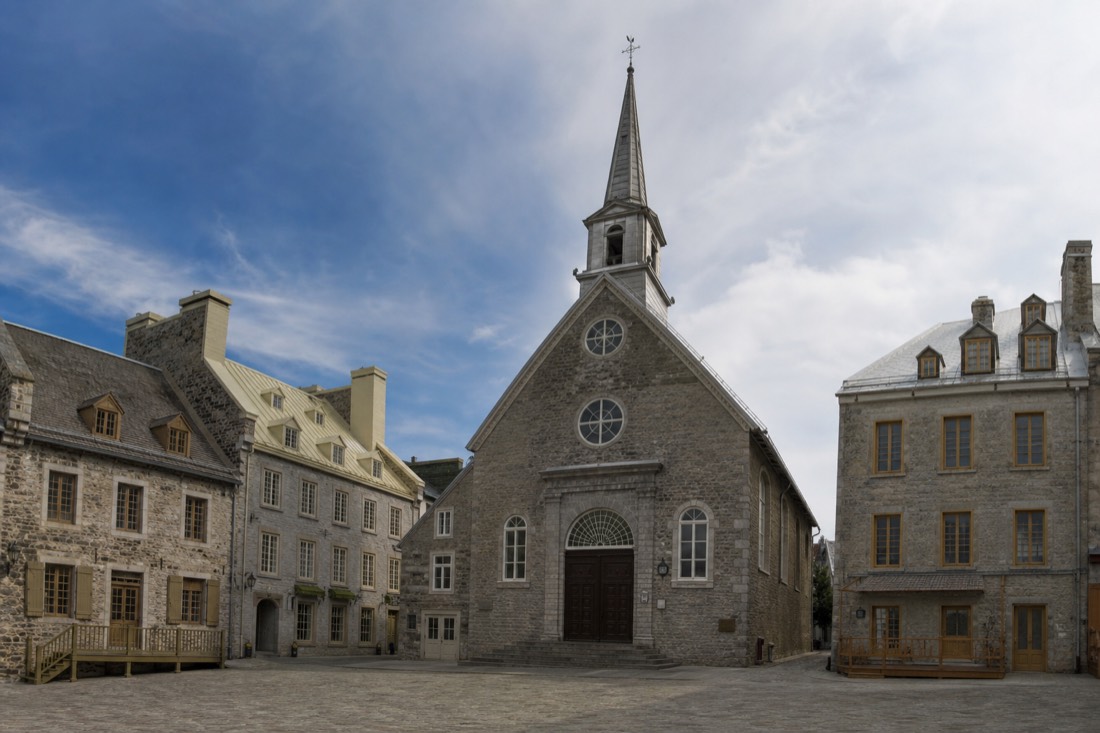
Lower Town
Where Champlain built in 1608, with one of the oldest stone churches on the continent facing the square. Thirty minutes, and every walking tour stops here.
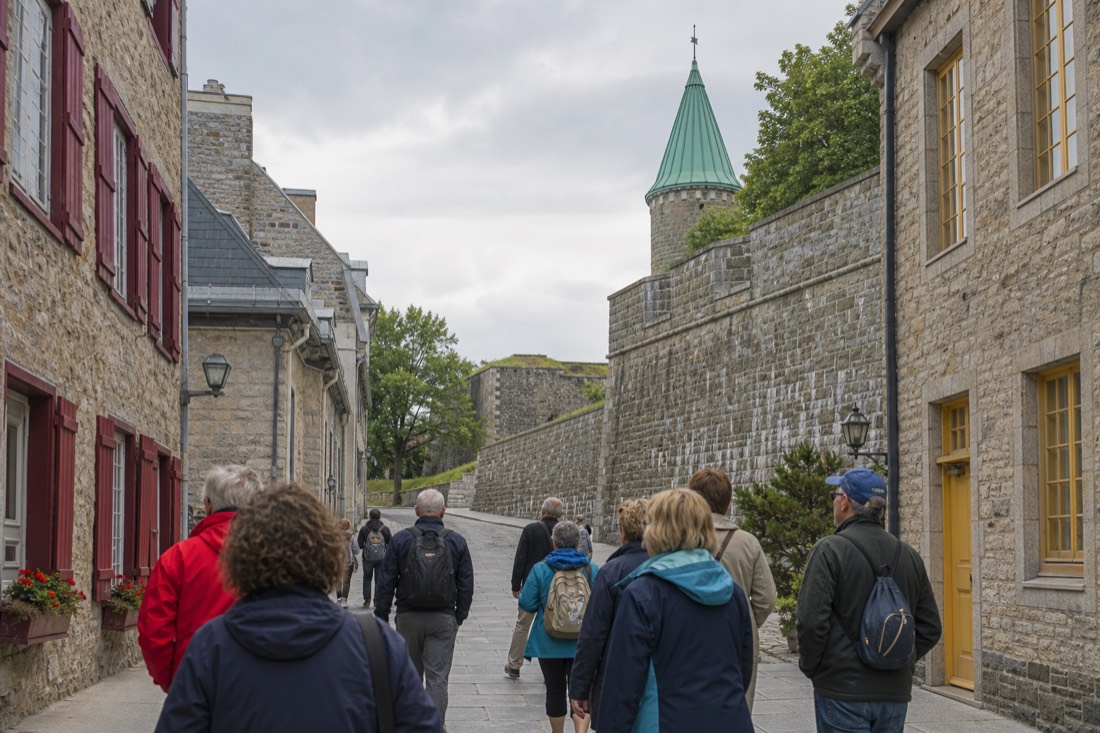
Upper Town
A working star fort on the highest ground, entered by guided tour only, $22 CAD for adults in 2026. Ninety minutes, more if you time the summer ceremony.
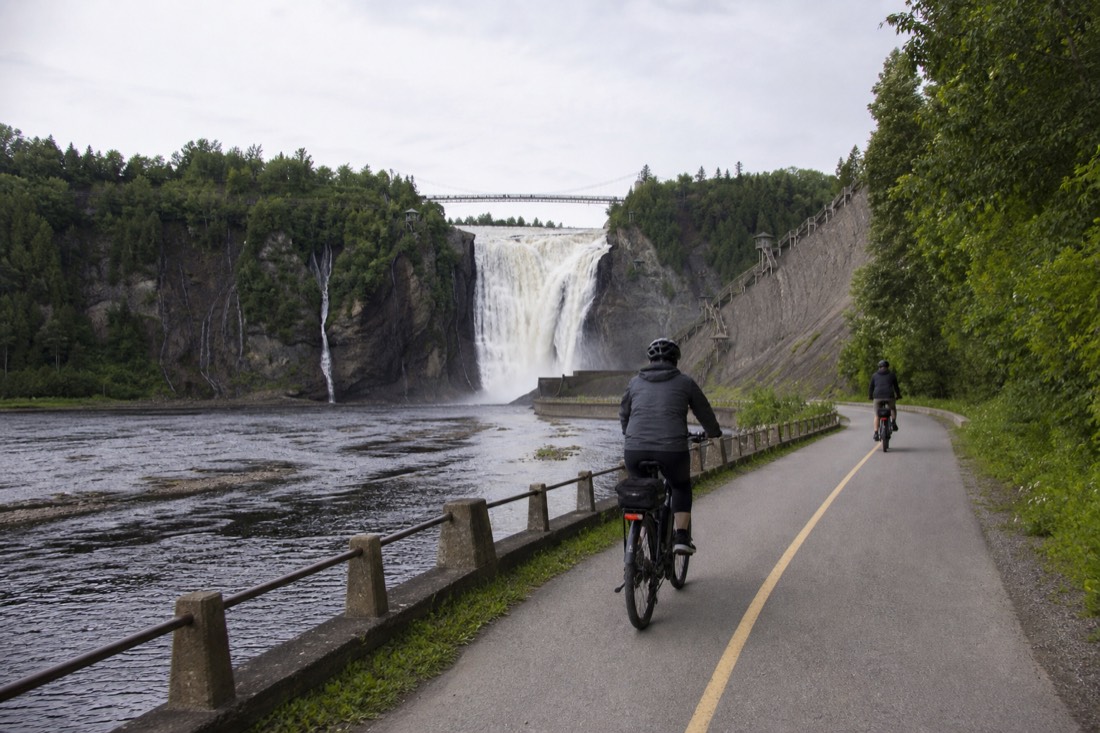
Just outside the walls
103 hectares of battlefield turned park, free to cross, four million visits a year. Forty-five minutes on foot, half a day if the museum and the towers pull you in.
Upper Town
Free to enter, with a holy door that exists in only a handful of places on earth and a crypt holding centuries of bishops and governors. Twenty minutes well spent.
Two more anchors have their own pieces: the Château Frontenac, which you can walk into without a reservation, and the fortifications that make this the only walled city north of Mexico. For the view back at all of it, see where the best views are.
| Landmark | Where | Cost | Time to allow |
|---|---|---|---|
| Dufferin Terrace | Upper Town | Free (crypt also free) | 15 to 60 min |
| Petit-Champlain | Lower Town | Free to walk | About 1 hour |
| Place Royale | Lower Town | Free | 30 min |
| Notre-Dame Basilica | Upper Town | Free | 20 min |
| The Citadelle | Upper Town | $22 CAD adult (2026) | 90 min |
| Plains of Abraham | Beyond the walls | Free to cross | 45 min to half a day |
| Ramparts and gates | Around Upper Town | Free | 1 hour to walk |
| Funicular between towns | Cliff face | Posted fare on site | 1 min ride |
Admission figures are the operators' current published rates. Anything unpriced above is genuinely free to visit, which is most of this district.
The district rewards a plan, because the cliff between Upper and Lower Town punishes backtracking. My standard advice: start high, walk down once, and finish low. Dufferin Terrace and the basilica in the morning, the funicular or the Casse-Cou stairs down, Petit-Champlain and Place Royale before lunch, then the Citadelle or the Plains in the afternoon when the Lower Town crowds peak.
Most visitors do this on foot with a guide for the first two hours, then wander. The two-hour classic route through both towns has the funicular built into the ticket, which is the honest reason it suits people who are unsure about the hill, and you can check live availability & prices on Viator for it before you arrive. The full comparison of guided options lives on the walking tours page, and the free alternative is mapped in my self-guided route.
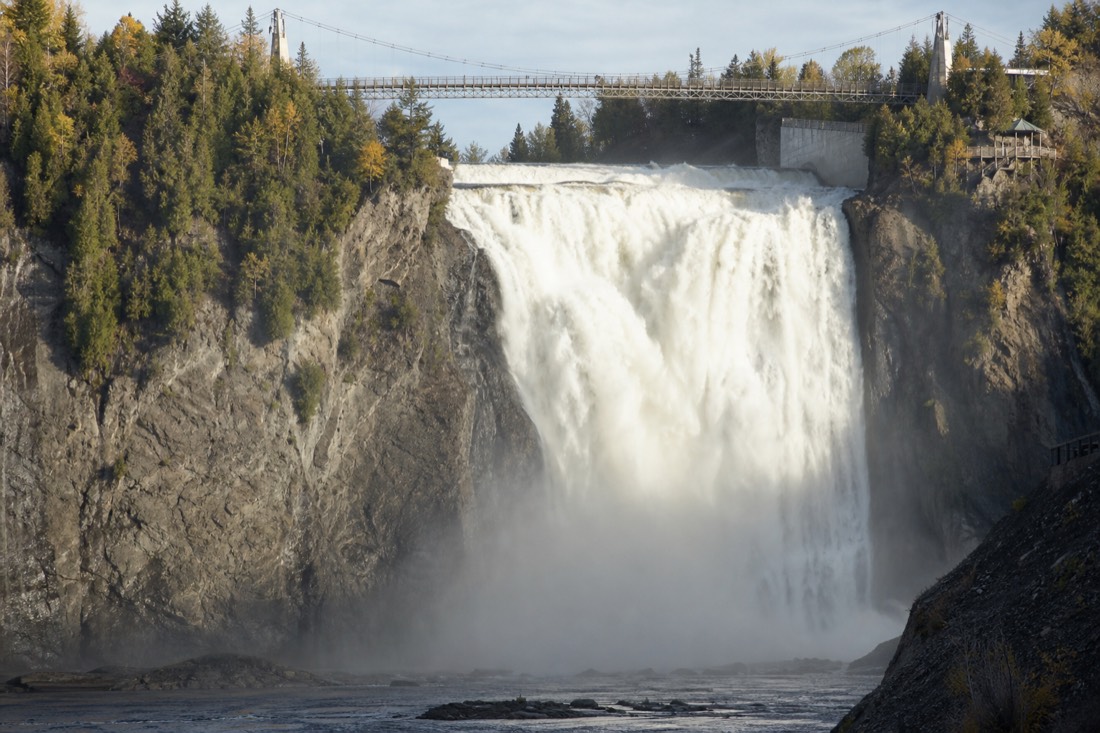
If you have three days rather than one, the itinerary guide paces all of this against Montmorency Falls and Île d'Orléans, and the day trips guide covers what is worth leaving the walls for.
The UNESCO historic district covers 135 hectares, roughly 1.35 square kilometres. You can cross it on foot in about twenty minutes if you do not stop, which nobody manages.
Walking it is entirely free, including the ramparts, Place Royale, Petit-Champlain, Dufferin Terrace and the Plains of Abraham. The paid entries are the Citadelle at $22 CAD for adults, museums, and the funicular fare between the two towns.
Upper Town sits on top of Cap Diamant behind the walls and holds the Château Frontenac, the Citadelle and the basilica. Lower Town lies below the cliff around Place Royale and the old port, and it is where Champlain first built in 1608. The funicular, the Casse-Cou stairs and côte de la Montagne connect them.
One full day covers the district's landmarks at a brisk pace. Two days lets you go inside things rather than past them. The itinerary guide breaks down one, two and three-day versions.