Plains Of Abraham: The 1759 Battlefield That Became Quebec City'S Park
Four million people a year cross this park, most of them on their way to a picnic rather than a battlefield. Both readings are correct.
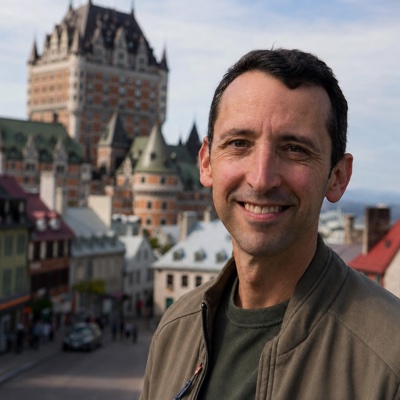 Written with Jean-Pierre Tremblay, Quebec City tour guide & heritage specialist
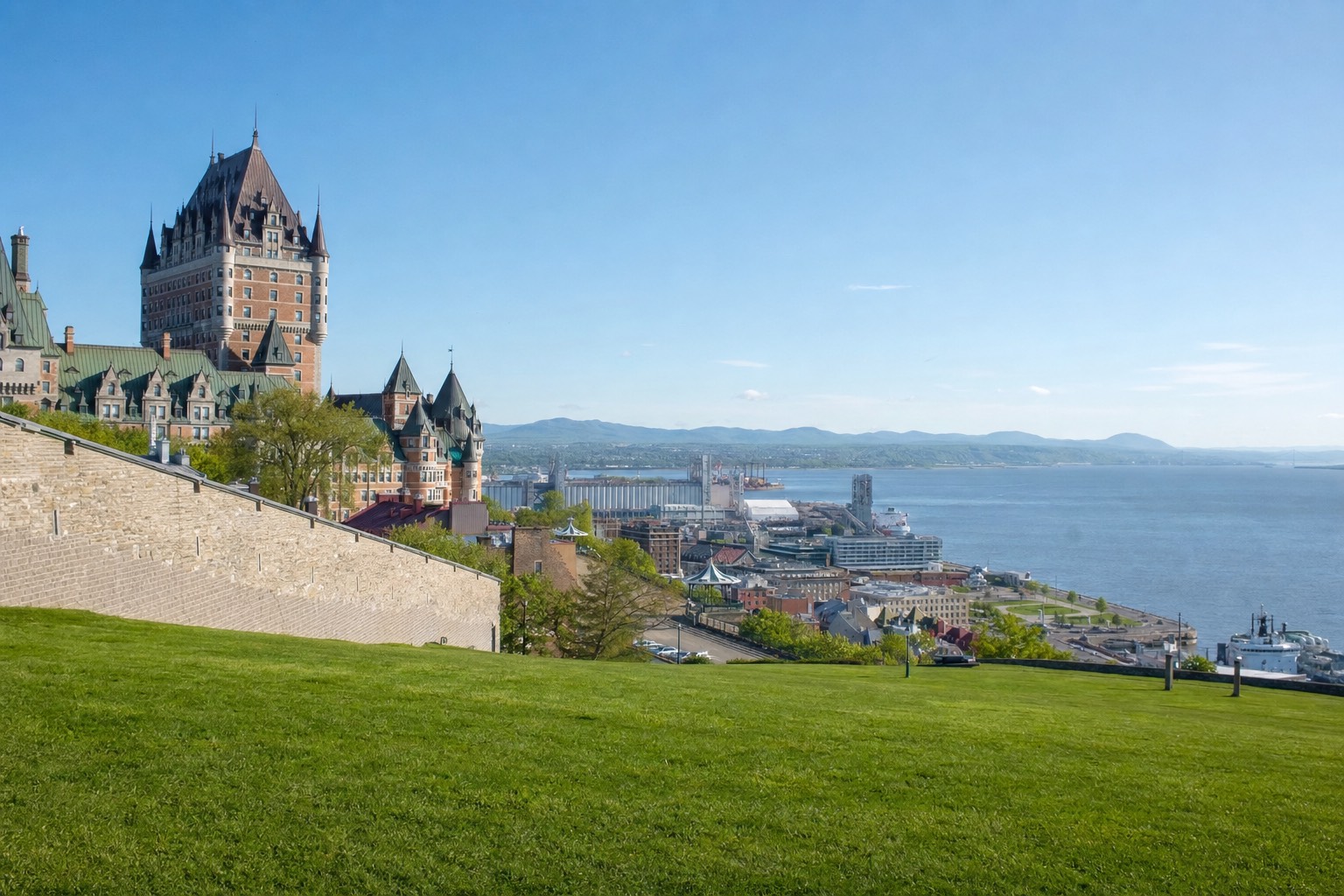
What is the Plains of Abraham?
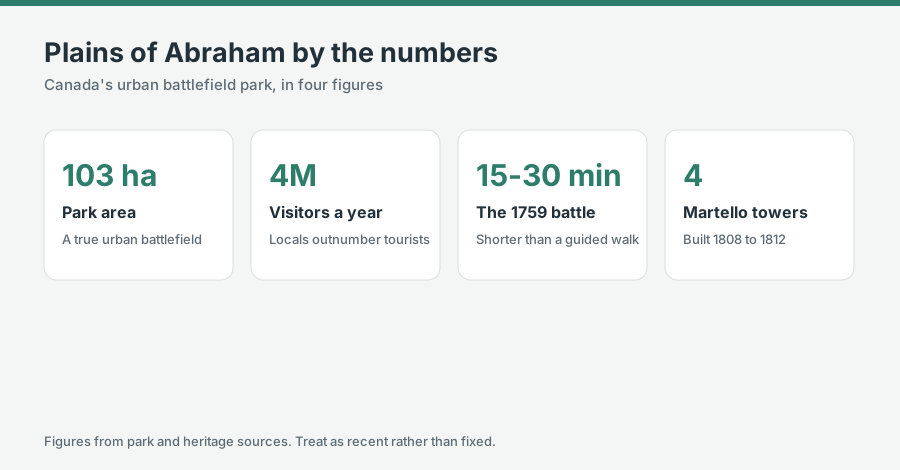
The Plains of Abraham is the open plateau just outside Old Quebec's walls where British and French armies fought on 13 September 1759. Today it forms part of Battlefields Park, roughly 103 hectares of lawn, cliff-edge paths, gardens, Martello towers and a history museum. Entering the park is free; the museum is ticketed.
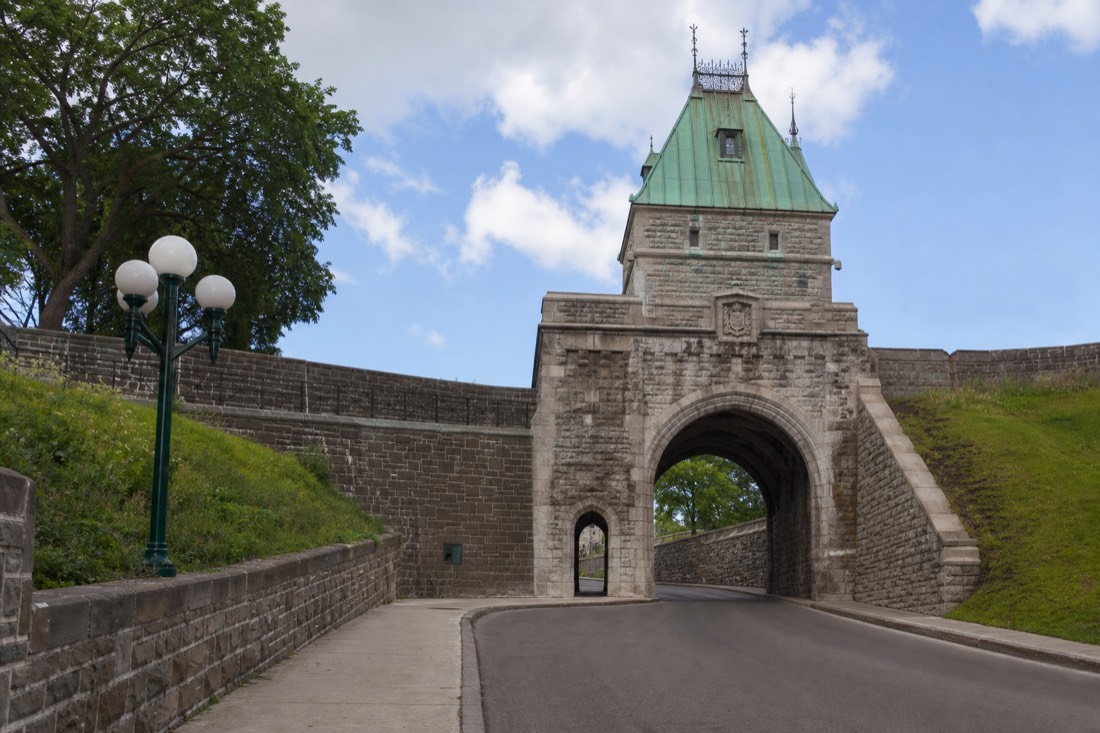
There is a point maybe two hundred paces past Porte Saint-Louis where the noise drops away. Behind you the old town is all stone and shutter clatter and somebody's roller case on cobbles. Ahead, the ground simply opens: grass running west, the cliff falling off to your left, the St. Lawrence flat and grey below, wind that was not there thirty seconds ago. I cross this park most weeks, sometimes twice a day, and that transition still lands. Visitors ask me where the battlefield is. They are standing on it.
TL;DR: The Plains of Abraham is the plateau where the British and French fought on 13 September 1759, a fight that lasted somewhere between fifteen and thirty minutes and killed both commanding generals. It is now the green heart of the city, part of a Battlefields Park of about 103 hectares drawing around 4 million visits a year. Walking on it costs nothing. The museum, the summer Martello tower and the guided activities are the ticketed part.
What Happened At The Plains Of Abraham In 1759?
British forces under General James Wolfe scaled the cliff overnight and formed lines on this plateau on 13 September 1759. The battle itself was extraordinarily short, roughly fifteen to thirty minutes, and ended in a British victory. Both Wolfe and the French commander, the Marquis de Montcalm, were mortally wounded.
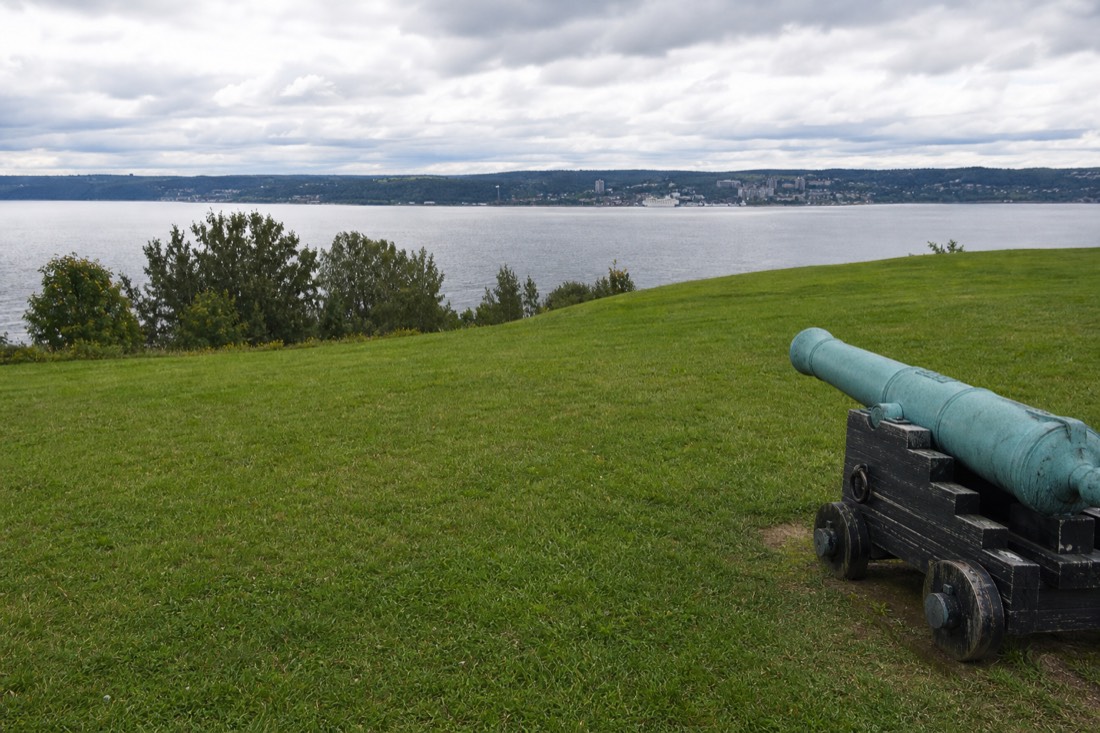
The number that stops people is the duration. A quarter of an hour, give or take, decided which empire held the St. Lawrence and set the course of the continent north of the border you probably crossed to get here. Guests expect a day-long grind of trenches and cannon. What they get instead is a field where two lines of men walked toward each other, fired, and the thing was over before a modern coffee break ends.
Both generals dying of their wounds is the detail that keeps the story out of the flag-waving register. Quebec City has never treated 1759 as a simple win or a simple loss, and that ambivalence is baked into the park: the monuments here commemorate both sides. The city's tourism office keeps a plain-language account of the engagement on its battle of the Plains of Abraham page if you want the sequence before you walk it.
| The 1759 battle | Detail |
|---|---|
| Date | 13 September 1759 |
| Duration of the fighting | Roughly 15 to 30 minutes |
| Outcome | British victory |
| British commander | General James Wolfe, mortally wounded |
| French commander | Marquis de Montcalm, mortally wounded |
| Where it sits now | Inside Battlefields Park, immediately west of the walled town |
Context helps here, and the context is the walls at your back. Quebec is the only walled city north of Mexico, and the fortifications exist precisely because this plateau was the weak side. An army that got onto the Plains was already past the river defences. Wolfe understood that, which is why the climb happened in the dark.
What Is There To See On The Plains Of Abraham Today?
Battlefields Park covers about 103 hectares and holds more than 30 points of interest, from the Plains of Abraham Museum and the surviving Martello towers to gardens, monuments and cliff-edge paths. The park programme runs to more than 40 historical activities across the year. The grass, the paths and the views cost nothing.
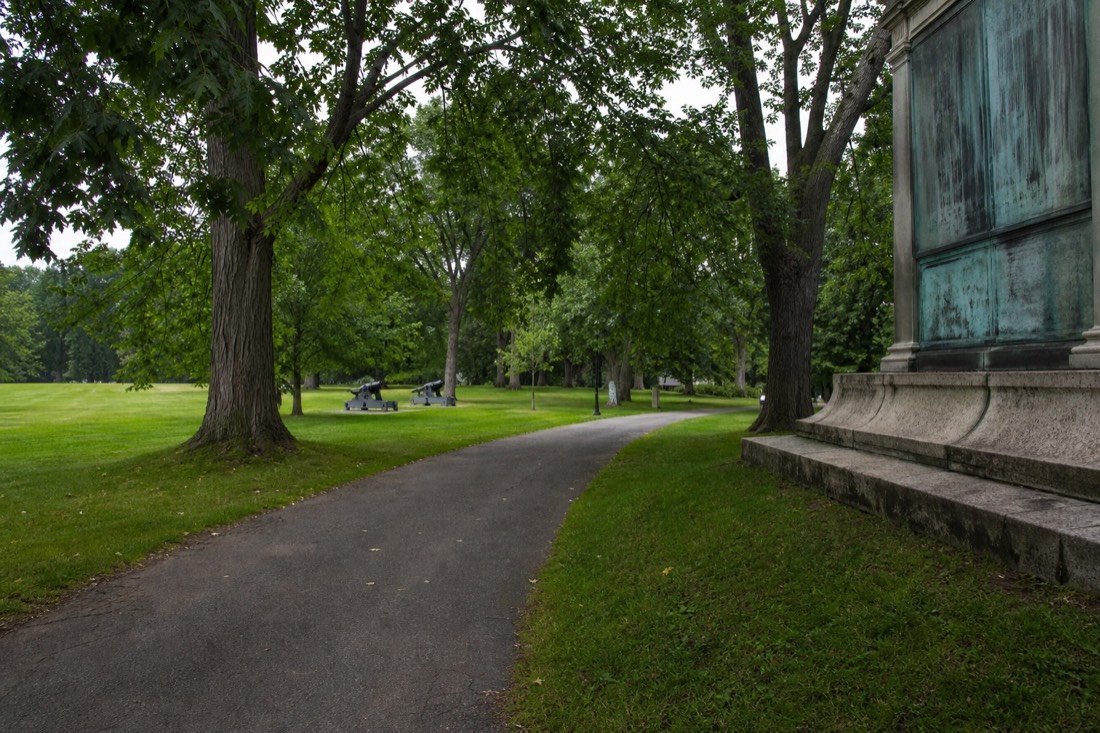
One thing worth knowing before you look at a map: the size figure shifts depending on what is being counted. The core Plains measure around 98 hectares, while the roughly 103-hectare figure covers all of Battlefields Park, including the separate Parc des Braves to the north. Neither number is wrong. They simply draw the boundary in different places, which explains why two guidebooks in the same shop can disagree.
| On the site | What it is | Cost |
|---|---|---|
| The Plains themselves | Open lawn, cliff paths, monuments, the 1759 ground | Free to walk, always open |
| Plains of Abraham Museum | Interpretation centre for the battlefield and the park's history | Ticketed; current rates on the official site |
| Martello Tower 1 | Stone defensive tower on the Plains, run as a museum site | Open in summer |
| Martello Tower 2 | Second surviving tower, used for group activities | Group programmes only |
| Gardens, including the Joan of Arc garden | Formal planting inside the park, at its best from June | Free |
| Parc des Braves | Separate northern section commemorating the 1760 fighting | Free |
| Guided and costumed activities | Part of a programme of 40-plus historical activities | Varies by activity |
Practically, most people walk in from the east end near the Citadelle and drift west. That eastern corner is the busy one, and it thins out fast. Go far enough and you have joggers, dog walkers and a view of the river doing what it has always done. The park pairs naturally with the fortress next door, and the Citadelle of Quebec guide covers that visit, which needs its own ticket and its own hour or two.
How Do You Get To The Plains Of Abraham From Old Quebec?
On foot it is short. From the Château Frontenac, walk rue Saint-Louis out through Porte Saint-Louis and you are on the park's eastern edge in roughly fifteen minutes, all of it flat once you clear the gate. From Lower Town, allow closer to half an hour and a serious climb. The hop-on hop-off loop is the sitting-down alternative.
I walk it with groups constantly, and the route people miss is the cliff one. Instead of going out through the gate, you can stay on Dufferin Terrace, carry on past its western end onto the boardwalk that hugs the cliff below the Citadelle, and climb the stairs to arrive at the Plains from above the river. It takes longer and your calves will notice. It also gives you the best view of the St. Lawrence in the city, and it explains the geography of 1759 better than any plaque: you are climbing the same wall of rock Wolfe's men climbed in the dark.
| From | How | Time at a normal pace | Notes |
|---|---|---|---|
| Château Frontenac | Rue Saint-Louis, out through Porte Saint-Louis | About 15 min | Flat, straightforward, the standard route |
| Dufferin Terrace | Cliff boardwalk then the staircase | 25 to 35 min | Long stair climb, best river views, skip if knees complain |
| Place Royale or Petit Champlain | Funicular up, then rue Saint-Louis | 30 min plus the funicular queue | Two ascents in one trip |
| Cruise terminal | Funicular or the Casse-Cou stairs, then west | 35 to 45 min | Only sensible on a long port call |
| Anywhere, seated | Hop-on hop-off double-decker | Depends on the loop | Built for the sights spread out beyond the walls |
That last row deserves honesty rather than a sales line. The double-decker exists because the sights outside the fortifications are spread thin, and this park is the biggest of them. Whether the current loop stops at the park edge or simply runs the Grande Allée corridor beside it is the kind of detail that changes between seasons, so read the live stop list rather than a cached route map. Options and the comparison against walking are on our bus tours page, and you can check live availability & prices on GetYourGuide, where Unitours' loop holds 4.4 stars across 1,665 reviews. If your legs are fine and you would rather have the history narrated at ground level, the walking tours page is the better spend.
Is The Plains Of Abraham Museum Worth Visiting?
Yes, if you want the battle explained rather than imagined. The museum is the park's interpretation centre and the place the 1759 story is actually told. Admission is ticketed, and between 19 June and 7 September 2026 the Canada Strong Pass makes it free for visitors aged 17 and under and half price for ages 18 to 24.
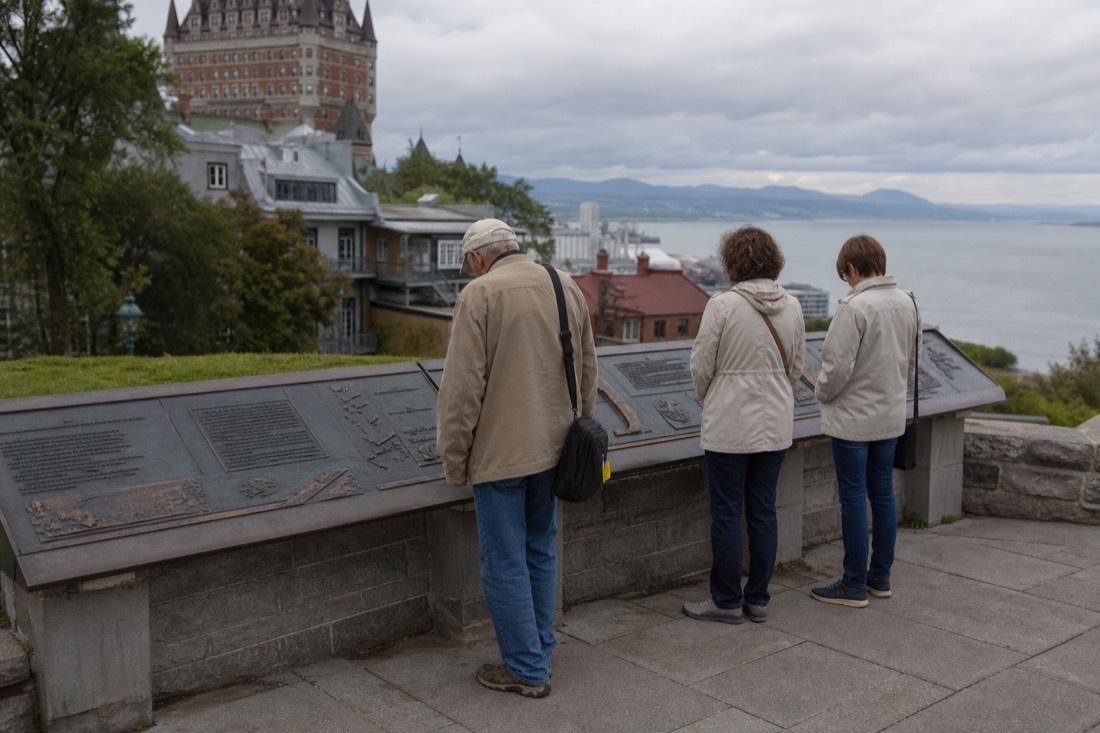
Here is the thing about walking a battlefield: without interpretation, it is a lawn. A beautiful lawn with a river view, but a lawn. The museum is where the field gets its grid back, the lines of troops, the timing, the reason a fight that short mattered that much. Families are the clearest case for going in, especially with the summer pass making it free for under-18s. Rates and opening hours live on the official Plains of Abraham Museum page, and I would check them the week you travel rather than trusting a figure printed anywhere else, including here.
What Are The Martello Towers On The Plains Of Abraham?
They are squat stone gun towers built between 1808 and 1812, when Britain expected an American attack on Quebec. Four went up. Tower 1 stands on the Plains and opens as a museum site in summer, Tower 2 is used for group activities, and Tower 3 was pulled down in 1904.
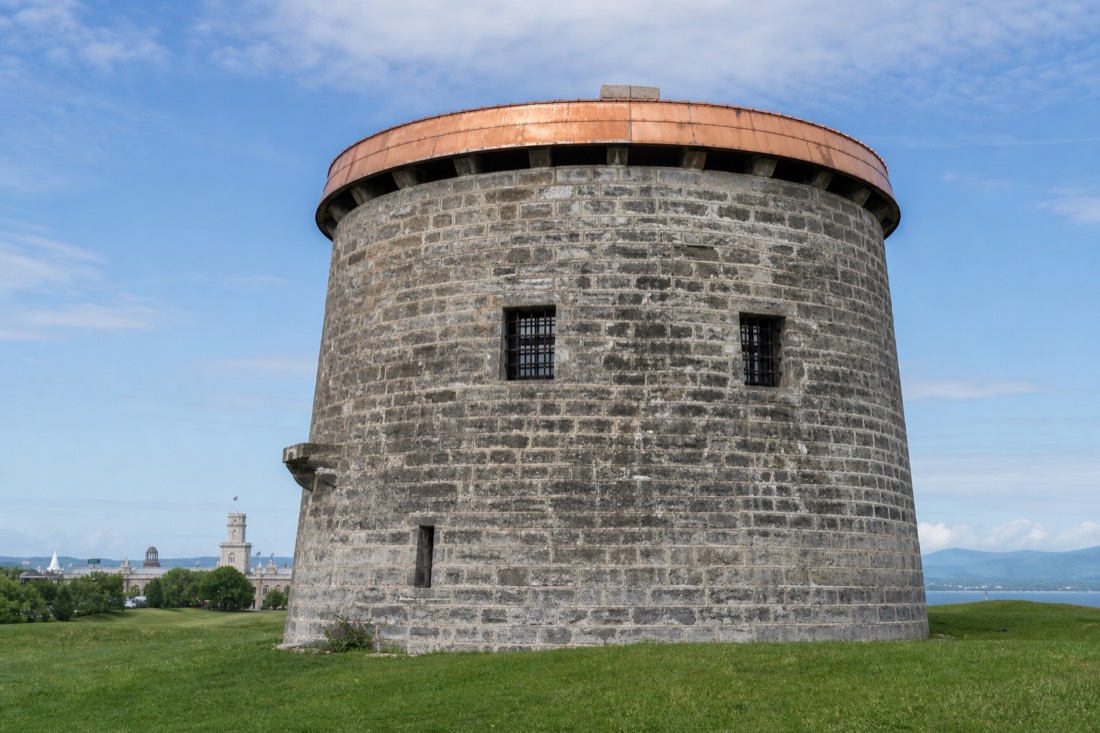
Visitors walk straight past them, which I understand. They look like oversized stone drums abandoned on a golf course. What they are is the sequel to 1759. Half a century after the battle, the British held the town and worried about a different enemy coming overland, so they fortified the same weak western approach with thick-walled towers designed to shrug off cannon fire. The official park pages carry the detail on each surviving tower and what is open when.
Two dates tell the whole story of how attitudes to this ground have shifted. Built 1808 to 1812, defensive. Demolished 1904, in the case of Tower 3, because a growing city wanted the space. The Plains only became a protected park after that, which is worth holding in mind while you look at all this open grass: it survived by decision, not by accident.
How Long Does It Take To Walk Across The Plains Of Abraham?
Allow about an hour to cross the open ground from the eastern gate to the cliff paths and loop back, and closer to two if you stop at the monuments on the way. Battlefields Park runs to roughly 103 hectares with more than 30 points of interest, so your attention gives out before your legs do.
The park defeats people who treat it as a single sight. It is not one; it is a large green rectangle with a busy end and a quiet end, and the mistake I see most often is a visitor walking two hundred metres past Porte Saint-Louis, deciding they have seen a lawn, and turning around. The good part starts after that. West of the first monuments the ground rolls, the cliff path opens up, and the noise of the Grande Allée drops away behind you.
Here is the version I give guests who want a shape for the afternoon rather than a list. It assumes a normal walking pace with stops, and it is my own planning allowance rather than a published timing.
| Minutes | Where you are | What you are doing |
|---|---|---|
| 0 to 10 | Porte Saint-Louis out to the park's eastern edge | The walk out of the walls, flat all the way |
| 10 to 25 | Eastern lawns beside the Citadelle | The busy corner: monuments, the first proper river view |
| 25 to 40 | Martello Tower 1 | A museum site in summer, a stone drum on the grass the rest of the year |
| 40 to 55 | Cliff-edge path heading west | Where the crowds thin and the St. Lawrence does the work |
| 55 to 70 | Joan of Arc garden, then back east | The formal planting, at its best from June |
| Add 60 min | Plains of Abraham Museum | Ticketed, and the place the 1759 lines get drawn for you |
Cut it in half if the weather turns. There is very little shelter out here, which is glorious in October and unforgiving in February, and the exposure that made this ground a battlefield is the same exposure that finds the gap in your coat.
What Does A Day On The Plains Of Abraham Cost?
The park is free and always open, so the bill is entirely optional. The museum is ticketed, and from 19 June to 7 September 2026 the Canada Strong Pass makes it free for ages 17 and under and half price for ages 18 to 24. The Citadelle next door charges $22 for adults in 2026.
This is one of the few major sights in the city where the default price is zero and stays zero. No gate, no ticket booth, no opening hour to plan around. A family can spend a whole afternoon here, picnic included, and pay nothing at all, which is worth knowing in a city where the walled centre quietly bills you for every good view.
Where money enters is the indoor half. The museum is the interpretation, and interpretation is what turns a field into a battlefield. The summer pass window makes that easy to justify for anyone travelling with teenagers. If you are pairing the park with the fortress on its eastern flank, the Citadelle of Quebec ticket is the other real cost of the day, and its visits are guided only, so it needs a slot in the schedule rather than a spare half hour.
| Line item | Cost | Note |
|---|---|---|
| Walking the Plains | Free | No gate, no closing hour, no booking |
| Plains of Abraham Museum, adult | Ticketed, rate on the official site | Check the week you travel |
| Museum, ages 17 and under, 19 Jun to 7 Sep 2026 | Free | Canada Strong Pass window |
| Museum, ages 18 to 24, same window | Half price | Canada Strong Pass window |
| Citadelle of Québec, adult 2026 | $22 CAD | Guided only, includes the Royal 22e Régiment Museum |
| Hop-on hop-off double-decker | Price on the listing | Rated 4.4 across 1,665 GetYourGuide reviews |
| Guided walking tour of the old town | From $41 USD as listed | Covers the walled town rather than the park |
| Parking inside the walls | $2 per 20 min, $21.50 daily cap at the city hall lot | An argument for walking out through the gate |
Who Should Skip The Plains Of Abraham?
Anyone on a half-day visit with the old town still unseen. The park sits fifteen minutes past the walls and repays unhurried time, so on a five hour cruise call or a single crowded afternoon it is the wrong spend. Visitors who feel the cold badly should also think twice about February out here.
I am a guide, so recommending against something costs me nothing and saves you an hour. The Plains are magnificent and they are also, on a short visit, the most skippable major sight in Quebec City, precisely because their value is space and quiet rather than a single object you can photograph and leave. If you have one afternoon, the walled town gives you more per hour.
The reverse is true from the second day onward. Once you have done the cobbles, the terrace and the funicular, this park is the correction your legs and eyes want. It is also the easiest place in the city to bring children, since there is nothing here to break and nothing to be quiet inside of.
| If you are | My verdict | Better use of the time |
|---|---|---|
| A cruise passenger with 5 to 6 hours ashore | Skip it | Lower Town, Place Royale, one guided walk; see the cruise port guide |
| On one full day, first visit | Half an hour at the eastern edge, no more | The walled town, Dufferin Terrace, the Citadelle |
| Staying two days or more | Go, and walk west | Pair it with the museum or the fortress next door |
| Travelling with restless children | Go | Open ground with nothing fragile on it is rare here |
| Cold-sensitive and visiting in February | Skip the western half | The exposure off the river is the entire problem |
| Here during the July music festival | Go, knowing what you get | Those lawns are a festival site that week, not a quiet battlefield |
One more disqualifier, and it is the honest one. If what you want is a reconstructed battle scene with cannon in position and lines marked on the ground, this park will disappoint you. It was deliberately made into a public park rather than a preserved battlefield, and the grass, the joggers and the picnic blankets are the result of that decision.
When Is The Best Time To Visit The Plains Of Abraham?
Late spring through early autumn for the gardens, the programme and the picnic version of the park. Winter turns it into a snow field with cross-country tracks and Carnival crowds. July is the loudest month, because the big summer music festival fills these lawns and the quiet I described at the top of this page disappears entirely.
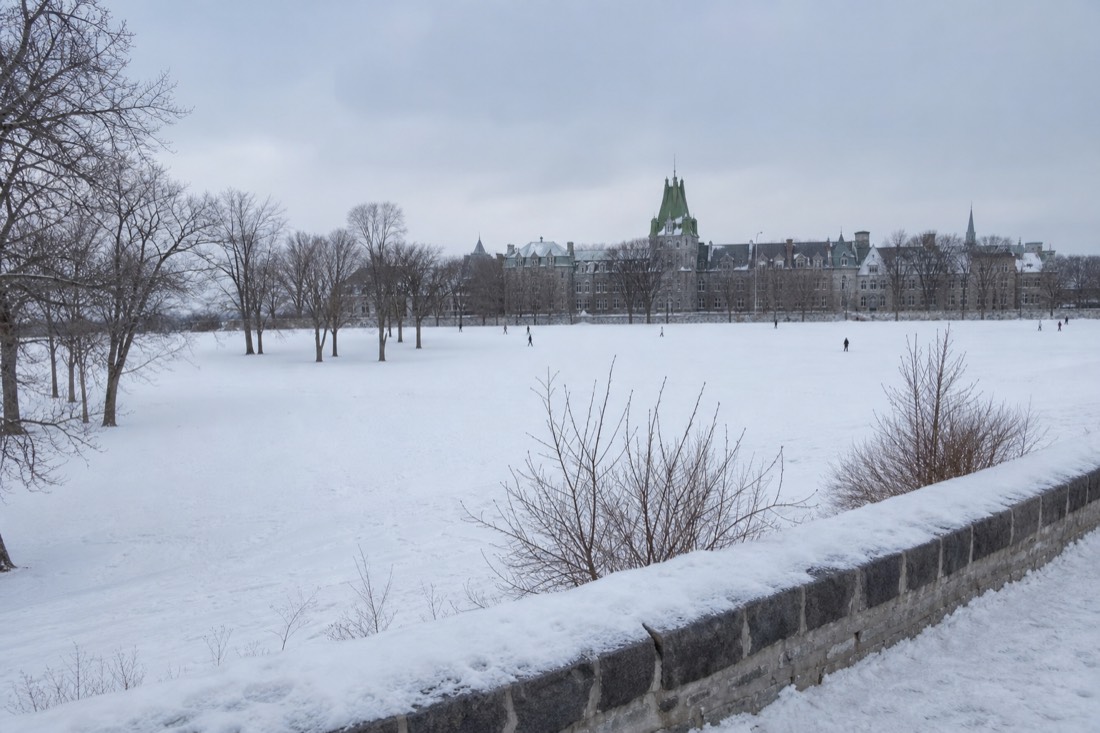
I have crossed this park in every month there is, and the character swings harder than anywhere else in the city. February gives you wind off the river that finds every gap in your coat, and skiers cutting tracks across ground that was a festival site six months earlier. October gives you the best light of the year and almost nobody in it.
| Season | What the park is like | Best for |
|---|---|---|
| Winter (Dec to Mar) | Snow-covered, exposed, Carnival activity on and around the Grande Allée side | Snow walkers, skiers, festival visitors |
| Spring (Apr to May) | Thawing and muddy early, then the gardens waking up | Quiet walking, cheap travel dates |
| Summer (Jun to Aug) | Peak programme, gardens full, and in July the festival takes over the lawns | Families, museum visits, the summer tower opening |
| Autumn (Sep to Nov) | Best light, colour along the cliff paths, thinning crowds | Photographers, anyone allergic to queues |
Fit it into the wider trip rather than treating it as a separate excursion. Most people I guide give the Plains the second half of a day that started inside the walls, and that rhythm works: cobbles and history in the morning, open sky in the afternoon. The Quebec City itinerary guide sets out where it lands in a one, two or three day plan, and the wider Old Quebec hub connects it to the landmarks it sits beside. If you want the contrast, walk down to Petit Champlain afterwards, where the streets are as tight as the Plains are wide.
Is the Plains of Abraham free to visit?
Yes. Walking, sitting, running and picnicking on the park costs nothing, and there is no gate. The Plains of Abraham Museum and certain guided or costumed activities are ticketed separately.How long should I spend on the Plains of Abraham?
Between 45 minutes and two hours for the park itself, depending on how far west you walk. Add an hour if you go into the museum, and another if you are pairing it with the Citadelle next door.Can you walk to the Plains of Abraham from the Château Frontenac?
Easily. Take rue Saint-Louis west, out through Porte Saint-Louis, and you reach the park's eastern edge in about fifteen minutes on flat ground. The cliff-path route past Dufferin Terrace takes longer and involves a stair climb, but the river views are better.Why is it called the Plains of Abraham?
The name predates the battle. It comes from the land's early ownership rather than from anything that happened in 1759, and it stuck long before the site became a park. The battle simply attached itself to a name that was already on the maps.Is the Plains of Abraham suitable for kids?
It is one of the easiest sights in the city for children: open ground, no fragile exhibits outdoors, and room to run. The museum is free for visitors 17 and under from 19 June to 7 September 2026 under the Canada Strong Pass, which makes the indoor half easy to justify too.Come at the end of an afternoon if you can. The light goes long across the grass, the river turns metallic, and the walls you came out of sit low and dark on the eastern horizon. Four million people a year pass through here, and almost none of them are thinking about 1759 while they do it. That is not disrespect. It is the most complete thing that can happen to a battlefield.
Your Next Step
Choose Your Quebec Experience
General recommendation, before you add preferences. Confirm dates and participation requirements with the operator.
Have your travel date in mind? Explore the fortifications and historic gates with a licensed guide in period military costume. Check the departure before arranging the rest of your day.
2 hours in English or French; meet at the Wolfe-Montcalm Monument, 7 Rue des Carrières. An outdoor heritage circuit; Citadelle and battlefield museum entry are not included.
Choose your exact date and party on GetYourGuide using the booking link below, then confirm both before booking.
Compare Options And Fit Your Plans
Explore the fortifications and historic gates with a licensed guide in period military costume. 2 hours in English or French; meet at the Wolfe-Montcalm Monument, 7 Rue des Carrières. An outdoor heritage circuit; Citadelle and battlefield museum entry are not included.
Explore Quebec and Inuit art at the museum beside the Plains of Abraham. Self-guided entry, valid for one day; enter at 179 Grande Allée Ouest. Some pavilions are closed for works. This is the art museum, not the Plains of Abraham history museum. The listed ticket is non-refundable. Allow four hours for travel within the city and an unhurried museum visit. This is a planning allowance, not a fixed ticket duration.
Use the hop-on hop-off route to connect the Citadelle, the Plains and the city neighbourhoods while choosing your stops. Choose a one- or two-day pass. Allow about two hours for the circuit before adding stops; attraction tickets are separate.
Affiliate links: we may earn a commission at no extra cost to you.