Best Time To Visit Quebec City In 2026: Month By Month
Every season sells a different city. Here is what each month actually feels like on the streets of Old Quebec, and when I would tell a friend to book.
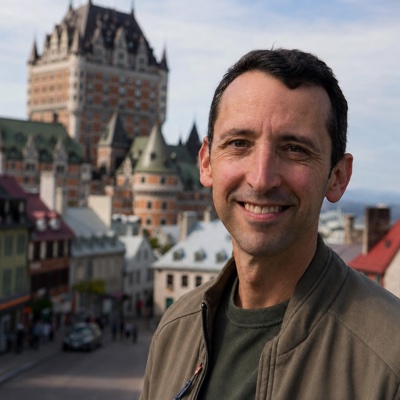 Written with Jean-Pierre Tremblay, Quebec City tour guide & heritage specialist
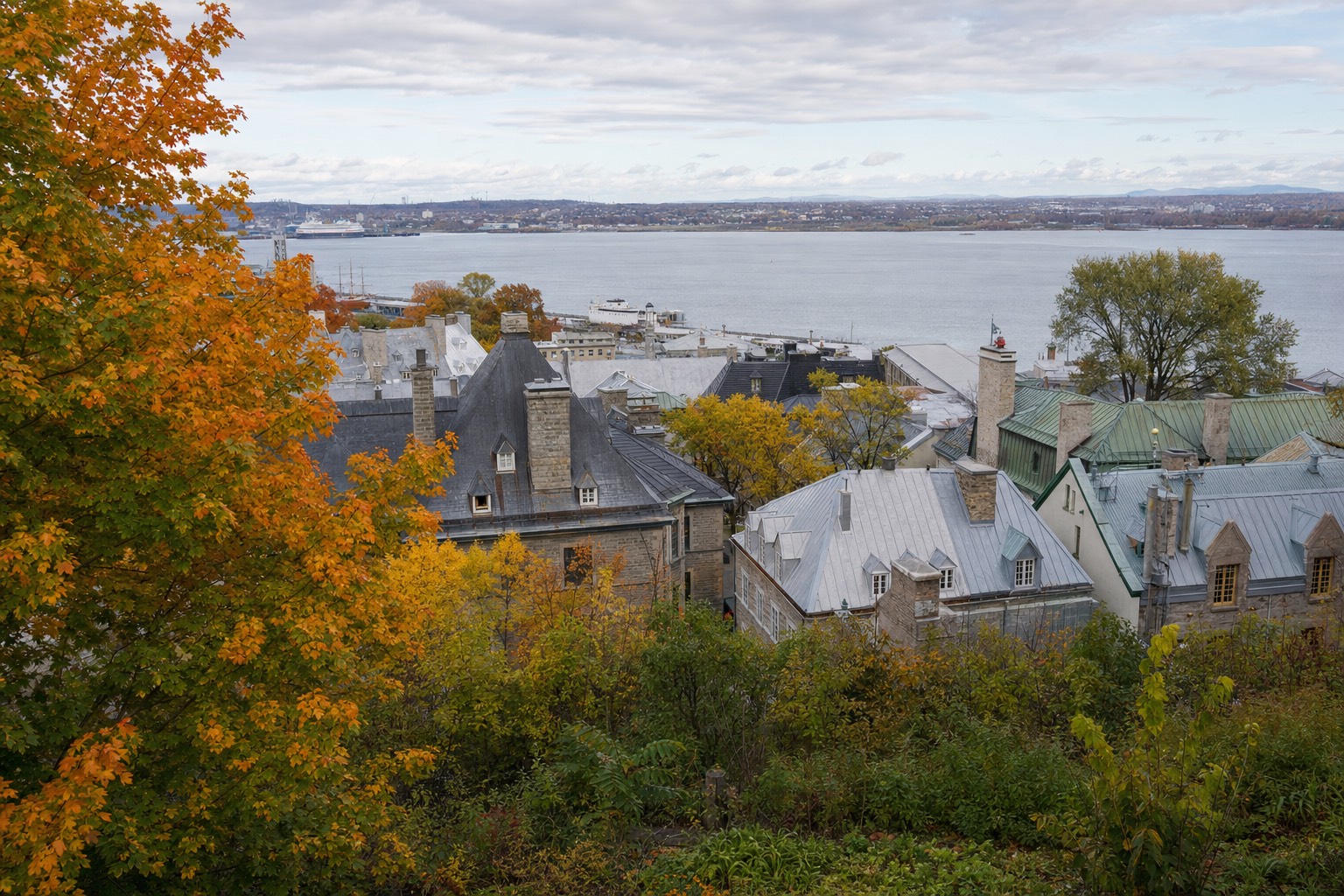
The short answer
Late September into early October is the sweet spot for most visitors: peak fall colours, comfortable walking weather, and thinner crowds than midsummer. July is the warmest and liveliest month but also the rainiest, at about 128 mm, and early February brings the Winter Carnival if you can handle real cold.
The question comes at the same spot on almost every tour, usually while we wait for the funicular's glass car above Petit Champlain. When should we have come? People ask it in July while fanning themselves on Dufferin Terrace, and they ask it in February through two layers of scarf. I have guided Old Quebec since 2022, and my answer has not changed: the city never closes, it just changes costume.
TL;DR
- Best all-round window: the end of September into early October, when the colours peak and the summer crush eases.
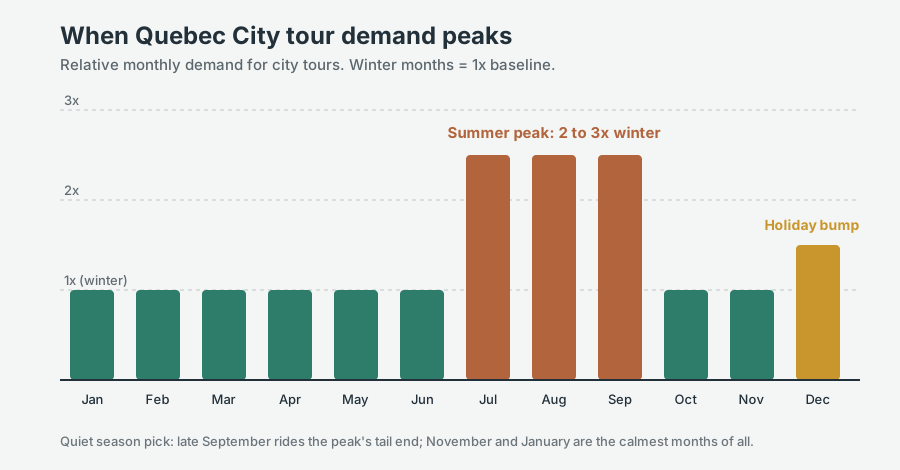
- Warmest and busiest: July to September. Demand for city tours runs two to three times winter levels.
- Rainiest month: July, at about 128 mm. It is also the warmest, with average highs of 25 °C.
- Coldest: January, averaging minus 8 °C by day and minus 18 °C at night, with 73 cm of snow.
- Book around events: Winter Carnival February 6 to 15, 2026, the Festival d'été in July, and the Christmas market season in December.
What'S The Best Month To Visit Quebec City?
For most travellers the best month is late September into early October: the maples turn, daytime walking weather stays comfortable, and the July to September tour crush is easing. Pick July instead for festivals and terrace weather, or early February for the Winter Carnival, and accept the trade-offs each one brings.
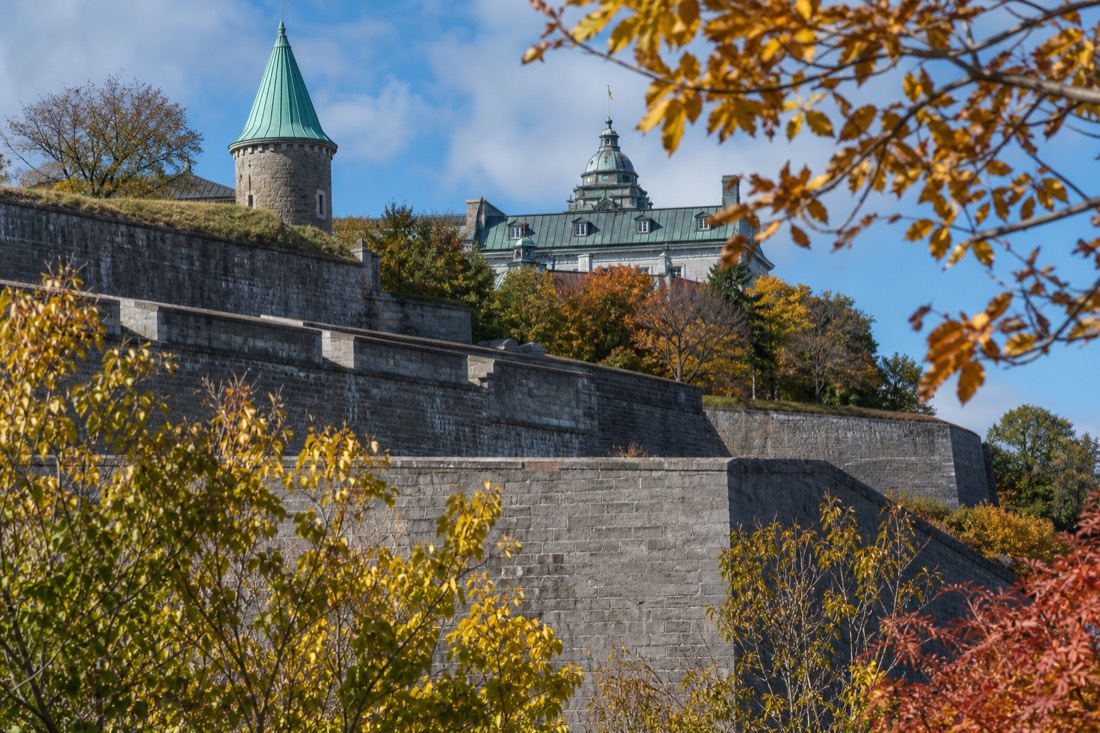
There is no single right month, only a right month for the trip you want. The tourism office's own foliage tracking puts the colour peak at the end of September and early October, with the surrounding hills starting to turn by mid-September. That window happens to line up with something else I watch every year: the moment the summer groups thin out. Search and booking demand for Quebec City tours runs two to three times higher from July through September than in winter, so arriving at the tail of that peak buys you the warmth without the full crowd.
If your dates are fixed by school holidays or a cruise schedule, do not panic. Summer here is genuinely good and winter is genuinely magical; I will get to both. Once your dates are set, the Quebec City itinerary guide walks through two-, three- and four-day plans.
How Does Quebec City Change Month By Month?
The city runs on two peaks and a long quiet stretch. Tour demand from July through September sits at two to three times winter levels, December gets a second holiday bump, and November through April stays calm outside Carnival week. Weather swings from 25 °C July afternoons to January nights near minus 18.
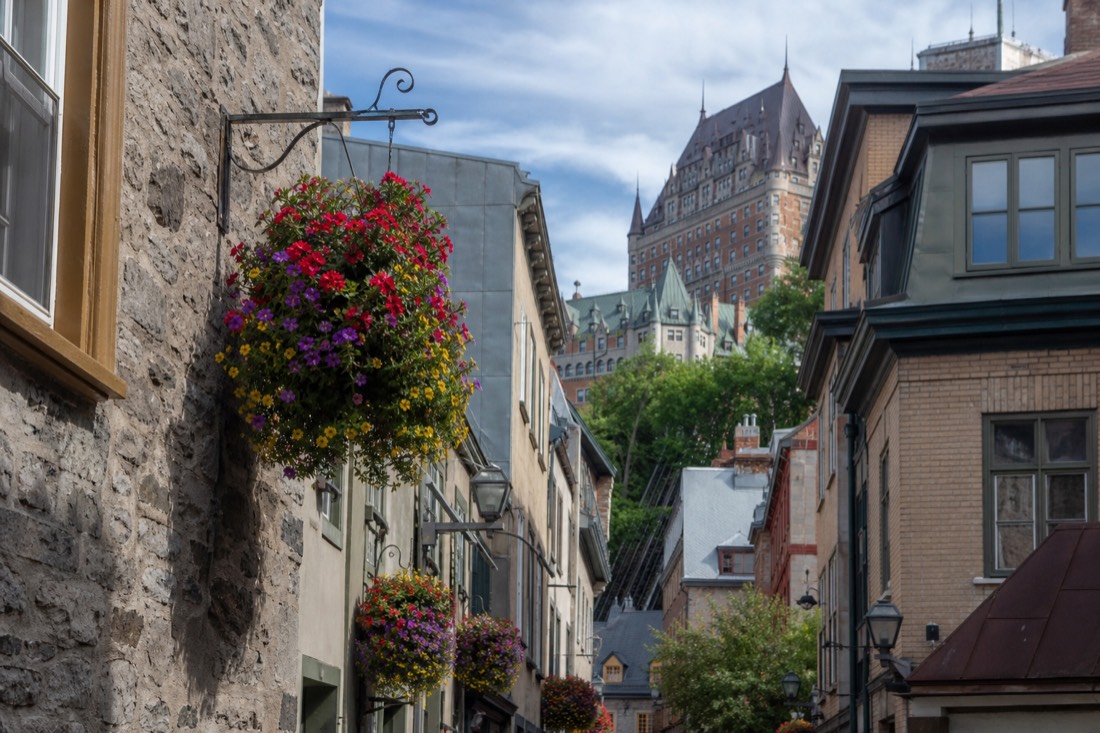
Here is the year as I would sketch it on a napkin for a friend. Temperatures and precipitation figures are the official monthly averages; where a month has no figure listed, treat the description as the feel of the season rather than a measurement.
| Month | Average temps & precipitation | Crowds & tour demand | What's on |
|---|---|---|---|
| January | High -8 °C / low -18 °C, 73 cm snow, 25 mm rain | Quietest stretch of the year | Deep winter: snow-covered rooftops, near-empty streets |
| February | High -6 °C / low -16 °C, 63 cm snow, 13 mm rain | Quiet, then busy for Carnival | Winter Carnival, February 6 to 15 in 2026 |
| March | Thaw begins, still wintry | Low | Sugar-shack season in the countryside |
| April | Melt and grey weeks | Low | Museums, quiet cafés, pre-season calm |
| May | Spring, terraces reopen | Building | The old town wakes up |
| June | Early summer warmth | Building toward peak | Fête nationale on June 24 |
| July | High 25 °C / low 14 °C, 128 mm rain | Peak, 2 to 3x winter | Festival d'été de Québec |
| August | Warm, peak summer | Peak | Street performers, full terraces |
| September | Mild days, cooling nights | Peak, easing late month | Colours start mid-month in the surrounding areas |
| October | Crisp | Moderate | Foliage peaks end of September into early October |
| November | Cold, bare trees | Quietest, with January | Pre-holiday lull |
| December | Cold and snowy | Second demand bump | Christmas market, holiday lights |
Two practical notes fall out of that table. First, in the July to September window, reserve activities before you arrive, not on the morning of. The most-booked departures go first, so pick your slot on the walking tours page favourite early and check live availability & prices on Viator for your dates. Second, if crowds bother you more than cold does, late September gives you the peak's warmth with a fraction of its queues.
What Is The Rainiest Month In Quebec City?
July is the rainiest month in Quebec City, with about 128 mm of rain on average. It is also the warmest, with typical highs of 25 °C and lows of 14 °C, so most of what falls arrives as warm summer showers rather than cold soakers. Pack a light shell and keep walking.
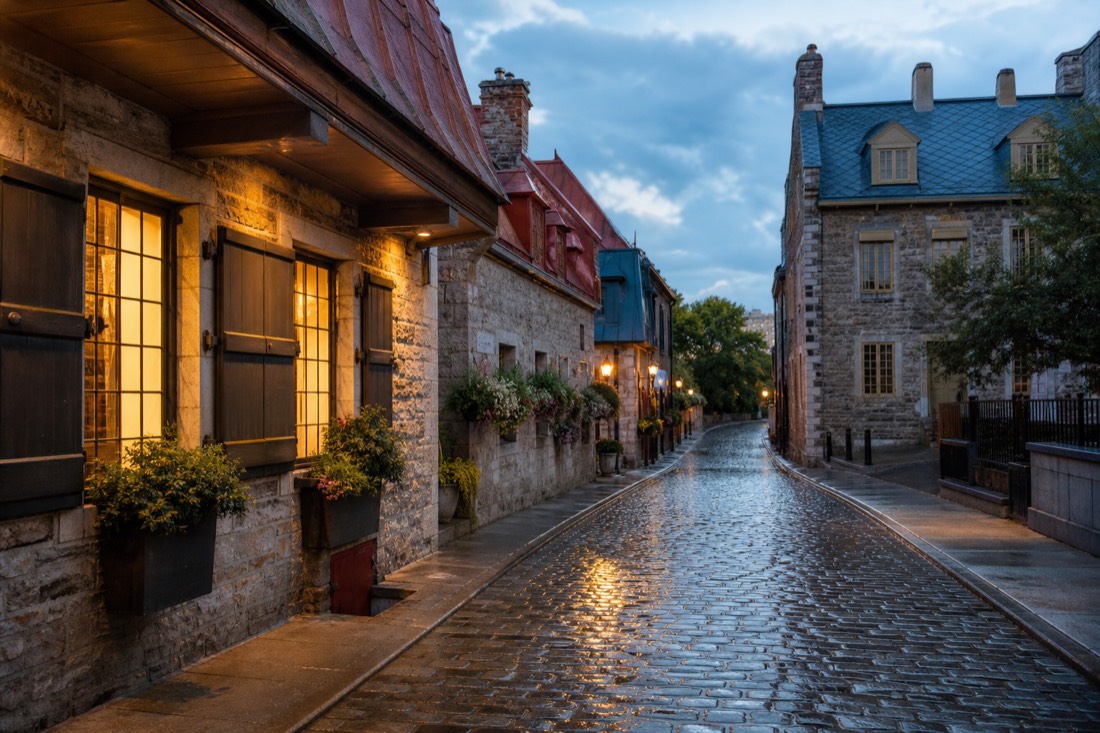
That number surprises people, because July is also the month everyone wants. The two facts coexist fine. The official monthly weather averages show the summer months carrying the most rain precisely because warm air holds more of it, while the coldest months trade rain for snow: January's 25 mm of rain comes alongside 73 cm of the white stuff.
In practice, I guide through July drizzle all the time and nobody melts. The old town is dense, shelter is never more than a doorway away, and an hour of rain often clears into a bright evening. Bring shoes with grip for the wet Casse-Cou stairs and treat a grey forecast as a museum morning, not a lost day.
Which Season Is Best For Your Kind Of Trip?
Choose fall for colours and calmer streets, summer for festivals and terrace weather, winter for Carnival and snow scenery, and spring only if empty streets matter more to you than green trees. The tours keep running in every season; what changes is what you see and how you dress for it.
| Season | Pros | Cons | Best for |
|---|---|---|---|
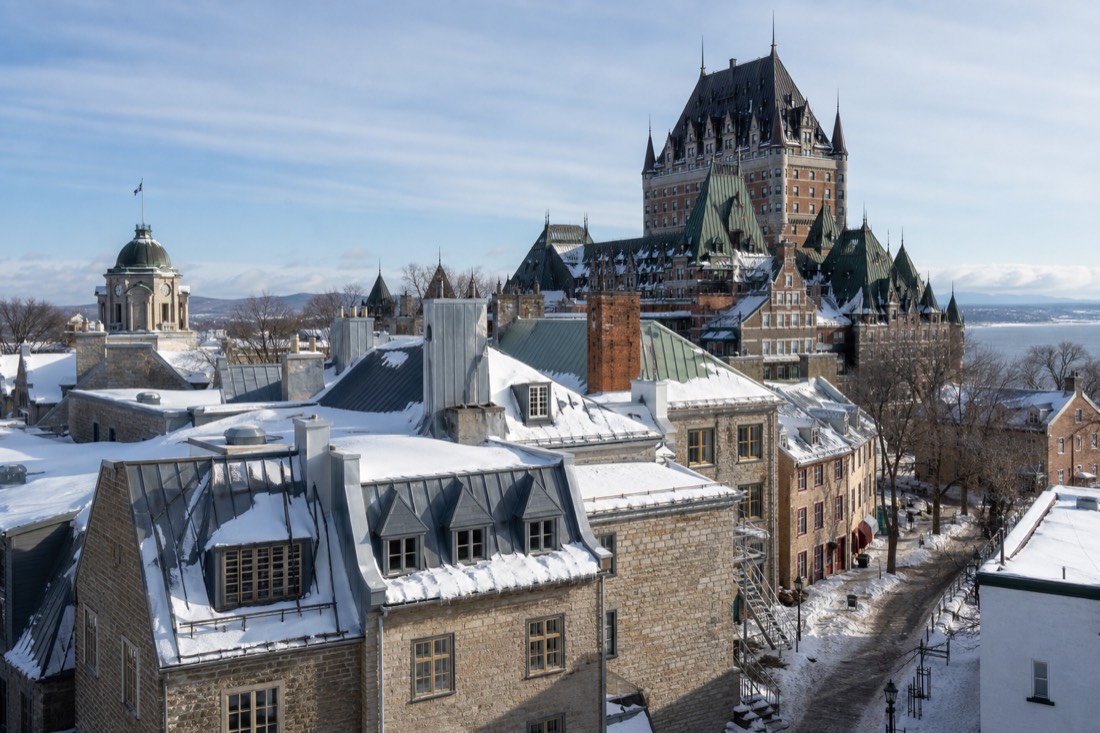
| Winter (Dec to Mar) | Carnival, snow-dusted rooftops, the quietest streets | January averages of -8 to -18 °C, short days | Carnival-goers, photographers, cold-weather romantics |
| Spring (Apr to May) | No crowds, terraces reopening in May | Melt and slush early, bare trees, some seasonal activities not yet running | Budget-minded wanderers, museum lovers |
| Summer (Jun to Aug) | Warmest weather, Festival d'été, everything open late | Rainiest stretch (128 mm in July), demand at 2 to 3x winter | Festival crowds, families, first-timers |
| Fall (Sep to Nov) | Foliage peaking late September to early October, easing crowds | Cooling fast, November turns grey and bare | Colour chasers, photographers, slow travellers |
One honest caveat on spring: it is my least favourite season to sell, and I live here. April is melt season, all grey slush and bare branches. Come then only if solitude is the point. For what the city offers in any month, the things to do in Quebec City rundown covers the year-round core.
What Events Are Worth Planning A Trip Around?
Three dates shape the calendar: the Québec Winter Carnival in early February (February 6 to 15 in 2026, February 5 to 14 in 2027), the Festival d'été in July, and the Christmas market season in December. Fall colours, peaking late September into early October, act as a fourth, unticketed event.
| Event | When | What it is | Read more |
|---|---|---|---|
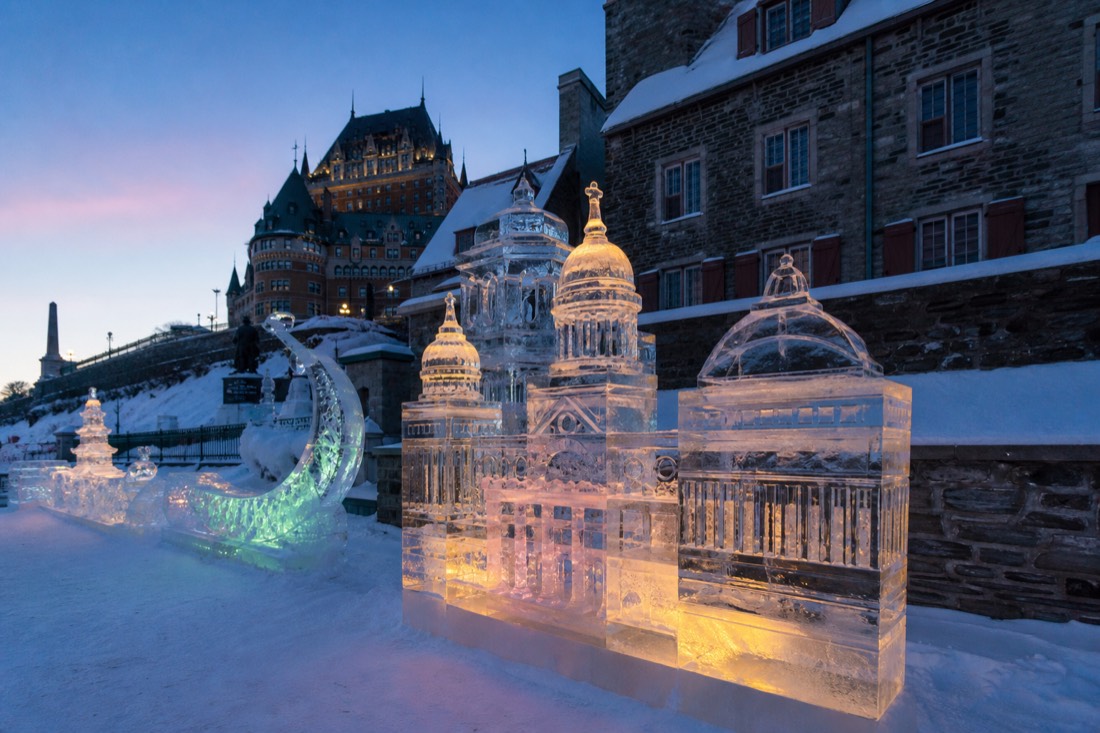
| Québec Winter Carnival | Feb 6 to 15, 2026; Feb 5 to 14, 2027 | The city's signature winter festival, ice sculptures and all | Winter Carnival guide |
| Festival d'été de Québec | July | The big summer music festival that fills the Plains of Abraham | See the July row above |
| Fall foliage peak | End of September to early October | The ramparts and the Laurentians in full colour | Free, no ticket needed |
| Christmas market season | December | Stalls, lights and carols in the old town, riding the December demand bump | Christmas in Quebec City |
Carnival deserves its own warning label: book lodging months ahead, because it briefly flips the low season into a high one. Dates and programming live on the official Carnival site. December works the same way in miniature; demand shows a clear second bump that month, so the market weekends are no secret.
Is Winter Too Cold To Visit Quebec City?
No, but you have to respect it. January averages a high of minus 8 °C and a low of minus 18 °C with 73 cm of snow, and February is only slightly softer. Dress in real layers, plan shorter stretches outdoors, and the old town under snow will repay every degree.
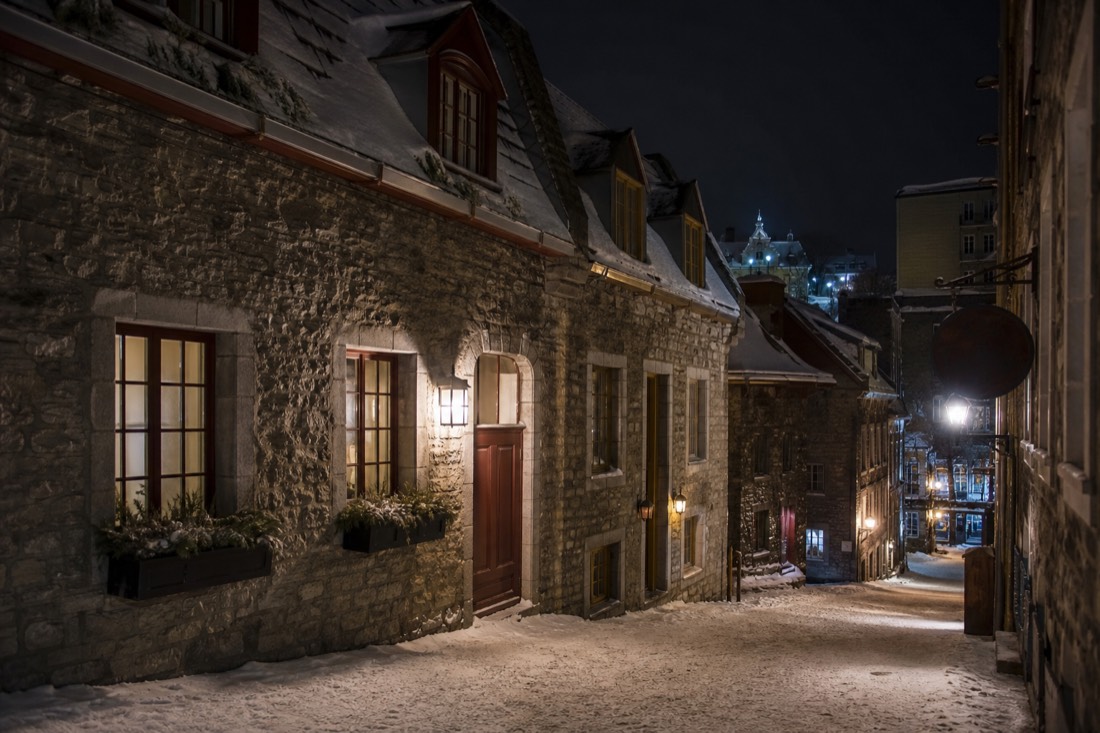
I will not pretend minus 18 is nothing. It is the kind of cold that finds the gap between glove and sleeve. But the city was built for it. Streets are cleared fast, cafés are everywhere, and a two-hour walk breaks naturally into warm stops. The winter tours lineup, from snowmobiling on Île d'Orléans to guided walks between snowbanks, is built around exactly that rhythm, and the full Quebec City in winter guide covers packing, daylight and how locals actually dress.
The one winter mistake I see repeatedly: cramming the days full as if it were July. Cold compresses your outdoor stamina. Plan one anchor activity per day and keep the rest loose.
What Actually Closes Between Seasons In Quebec City?
More than people expect. Canyon Sainte-Anne runs only from 7 May to 25 October in 2026 and shuts entirely outside that. Terraces reopen in May. Sugar shacks belong to spring. Montmorency Falls stays open all year, though its access fees run May to November. Indoor sights carry the shoulder weeks.
The old town itself never closes, which is why I keep saying the city only changes costume. The day trips are the part that has a calendar. That distinction matters most in the two shoulder windows, late April and early November, when the streets inside the walls are working normally but half the reasons to leave them are locked for the season.
November catches more people out than April does. It arrives after the colour has gone, before the Christmas market opens and before the snow has settled into anything photogenic. If those weeks are your only option, plan an indoor-weighted trip and stop trying to force a landscape day out of it. April has the same problem in reverse, with melt underfoot and the countryside stops not yet open.
Confirm anything seasonal on the operator's own page before you build a day around it. The table is a planning frame, not a guarantee.
| What you want to do | When it is available | The catch |
|---|---|---|
| Canyon Sainte-Anne | 7 May to 25 October 2026, 9 a.m. to 4 or 5 p.m. | Gates shut for the year after 25 October |
| Montmorency Falls | Year-round, with access fees running May to November | $6.95 CAD park access, $14.95 CAD cable car |
| Observatoire de la Capitale | Indoor, the reliable grey-day stop | $14.75 adult, and you are shooting through glass |
| Lévis ferry crossing | Through the day, roughly every half hour | $4.25 one way, and the deck is colder than the street |
| Sugar shacks | Spring | Countryside, so a car or an organised trip |
| Winter Carnival | 6 to 15 February 2026, 5 to 14 February 2027 | Lodging books out months ahead |
| Christmas market | December | Rides the December demand bump, so weekends are busy |
| Fall colour | End of September into early October | Weather dependent, so keep a spare day |
What Do You Actually Need To Pack For Each Quebec City Season?
Layers, and the right shoes for the season's specific hazard. January's hazard is cold, minus 18 °C overnight with 73 cm of snow on the ground. July's is 128 mm of rain. Spring's is slush. Autumn's is the wind coming down the river, which is reliably colder than whatever the forecast promised in town.
Footwear decides more Quebec City trips than jackets do. The old town is cobbled, steeply pitched, and in winter it is polished by boot traffic into something closer to a rink than a street. The Casse-Cou stairs are exactly what the name says. Grip beats warmth if you can only have one, though in January you can and should have both.
The second thing people under-pack is a wind layer, in every season including August. The river valley funnels air from the northeast, and Dufferin Terrace, the ferry deck and the cliff edge on the Plains all sit in that funnel. Guests routinely walk out in a t-shirt on a 25 °C afternoon and come back off the water shivering.
What follows is my own kit list from guiding through all four seasons, not an operator's requirement.
| Season | On your feet | On your body | What people forget |
|---|---|---|---|
| Winter (Dec to Mar) | Insulated boots with real tread | Base layer, mid layer, windproof shell, hat, gloves | Hand warmers, and a plan to be indoors every 45 minutes |
| Spring (Apr to May) | Waterproof shoes you do not mind ruining | Light layers plus a shell for melt-season rain | That April is slush, not flowers |
| Summer (Jun to Aug) | Broken-in walking shoes with grip on wet stone | Light clothes plus one wind layer | A packable rain shell, in the 128 mm month |
| Fall (Sep to Nov) | Closed shoes, water resistant | Sweater plus windproof outer layer | Gloves by late October, and early sunsets |
What Does A Day In Quebec City Cost Across The Seasons?
The sights barely move. A ferry crossing is $4.25 whatever the month, the Observatoire is $14.75, the funicular $7 one way. What changes is what there is to spend on: $15 canyon admission only from May to October, $152 snowmobiling only in winter, and lodging that spikes hard for Carnival week.
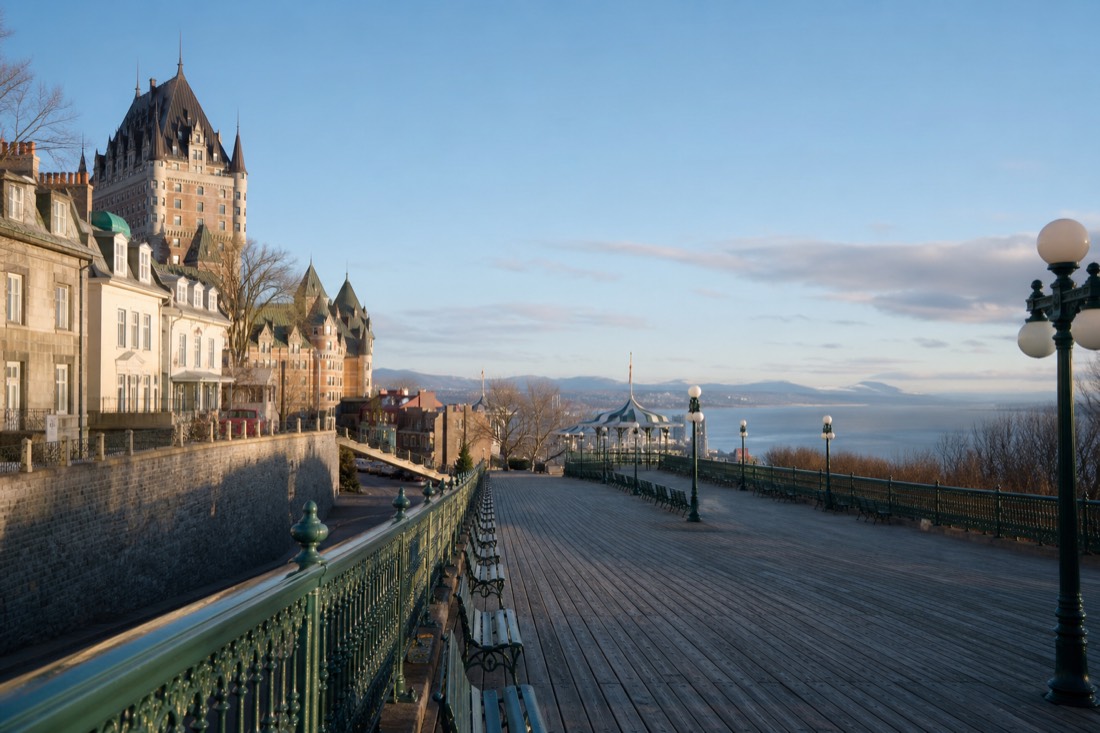
Quebec City is unusual among European-feeling old towns in that its best hours are free. Walking the ramparts costs nothing. Dufferin Terrace costs nothing. The cliff edge of the Plains costs nothing, in any month, at any hour. Everything below is optional structure laid over that free core.
Seasonality hits your lodging line far harder than your activity line. Carnival week briefly converts the quietest stretch of the year into a high season, and the December market weekends do a smaller version of the same trick. Meanwhile the actual admission prices sit still. If you are optimising a budget, move your dates rather than trimming what you do once you are here.
Each row below is a shape for a day, built from prices published on the operators' own pages. Rates change, so treat the totals as planning allowances.
| Season | Free anchor | Paid anchor | The seasonal extra |
|---|---|---|---|
| Winter (Dec to Mar) | Snowy ramparts, Dufferin Terrace | Guided walk from $41, or the Observatoire at $14.75 when it is grey | Snowmobiling on Île d'Orléans from $152 |
| Spring (Apr to May) | Empty streets, the Plains | Ferry at $4.25, funicular at $7 | Sugar-shack season, out of town |
| Summer (Jun to Aug) | Terrace, ramparts, street performers | River cruise from $46, canyon admission $15 | Everything is open, so book the popular slots ahead |
| Fall (Sep to Nov) | Foliage on the Plains, free and unticketed | Montmorency access $6.95, cable car $14.95 | The canyon, until 25 October only |
More Timing Questions, Answered
The short versions of what travellers ask me most about the calendar.
When are the fall colours at their best in Quebec City?
The end of September into early October is the peak in and around the city, with colours starting from mid-September in the surrounding areas. Build in a day or two of flexibility if the foliage is the whole point of the trip.
What is the coldest month in Quebec City?
January, with average highs of -8 °C, lows of -18 °C, and 73 cm of snow. February follows close behind at -6 °C / -16 °C, though Carnival gives you a reason to be outside anyway.
When is the Quebec Winter Carnival in 2027?
February 5 to 14, 2027. The 2026 edition runs February 6 to 15. Either way, book your room well ahead; Carnival briefly turns the low season into a high one.
When is Quebec City least crowded?
November and January are the calmest months. Tour demand in winter runs at a third to a half of summer levels, and outside Carnival week and the December holiday bump, you will often have the ramparts nearly to yourself.
Whatever month wins, the old town rewards the same approach: walk it first, then fill in the rest. The stones do not care what the thermometer says. They have been here four hundred years, and they look good in every season.
Your Next Step
Choose Your Quebec Experience
General recommendation, before you add preferences. Confirm dates and participation requirements with the operator.
Have your travel date in mind? Connect Place Royale, Petit Champlain and the upper town with a licensed guide and an included funicular ride. Check the departure before arranging the rest of your day.
2 hours; meet at 112 Rue Saint-Paul and finish near City Hall. Hotel pickup is excluded.
Departure schedule from Viator; final availability and price are confirmed on Viator.
Compare Options And Fit Your Plans
Connect Place Royale, Petit Champlain and the upper town with a licensed guide and an included funicular ride. 2 hours; meet at 112 Rue Saint-Paul and finish near City Hall. Hotel pickup is excluded.
Trade the rental-car logistics for a guided national-park hike with Quebec City transport, park admission and lunch. 6 hours 30 minutes. Lunch cannot accommodate gluten-free, lactose-free or vegan diets according to the listing; hiking demands apply.
Explore the snowy forest with a guide, snowshoe equipment, round-trip transport and lunch included. 6 hours overall, including the journey. This is an active winter excursion; check the conditions and participation requirements.
Discover the market’s Quebec and German traditions with a guide and three German tastings. 90 minutes; English or French. Typical tastings include mulled wine, pretzel and stollen. Confirm meeting point, dietary needs and alcohol alternatives for your party. Market entry itself is free.
See Quebec City from the indoor viewpoint on the 31st floor of the Marie-Guyart Building. Self-guided admission, valid for one day; reserve your date and go to the 31st floor. The listing states wheelchair access. No English guided commentary or hotel transport is included. Allow two hours including city travel and the viewpoint visit. This is a planning allowance, not a fixed ticket duration.
Affiliate links: we may earn a commission at no extra cost to you.