Are Americans Welcome In Quebec City? An Honest Local Answer
The short answer is yes, and it has stayed yes. The longer answer covers passports, the Bonjour ritual, and why your dollar goes further here than at home.
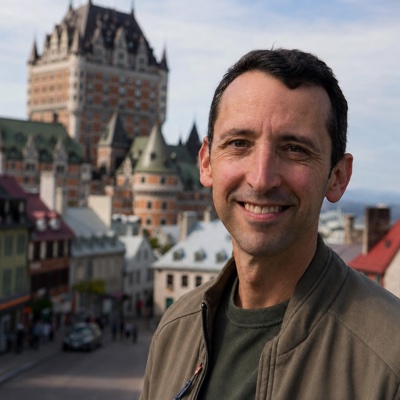 Written with Jean-Pierre Tremblay, Quebec City tour guide & heritage specialist
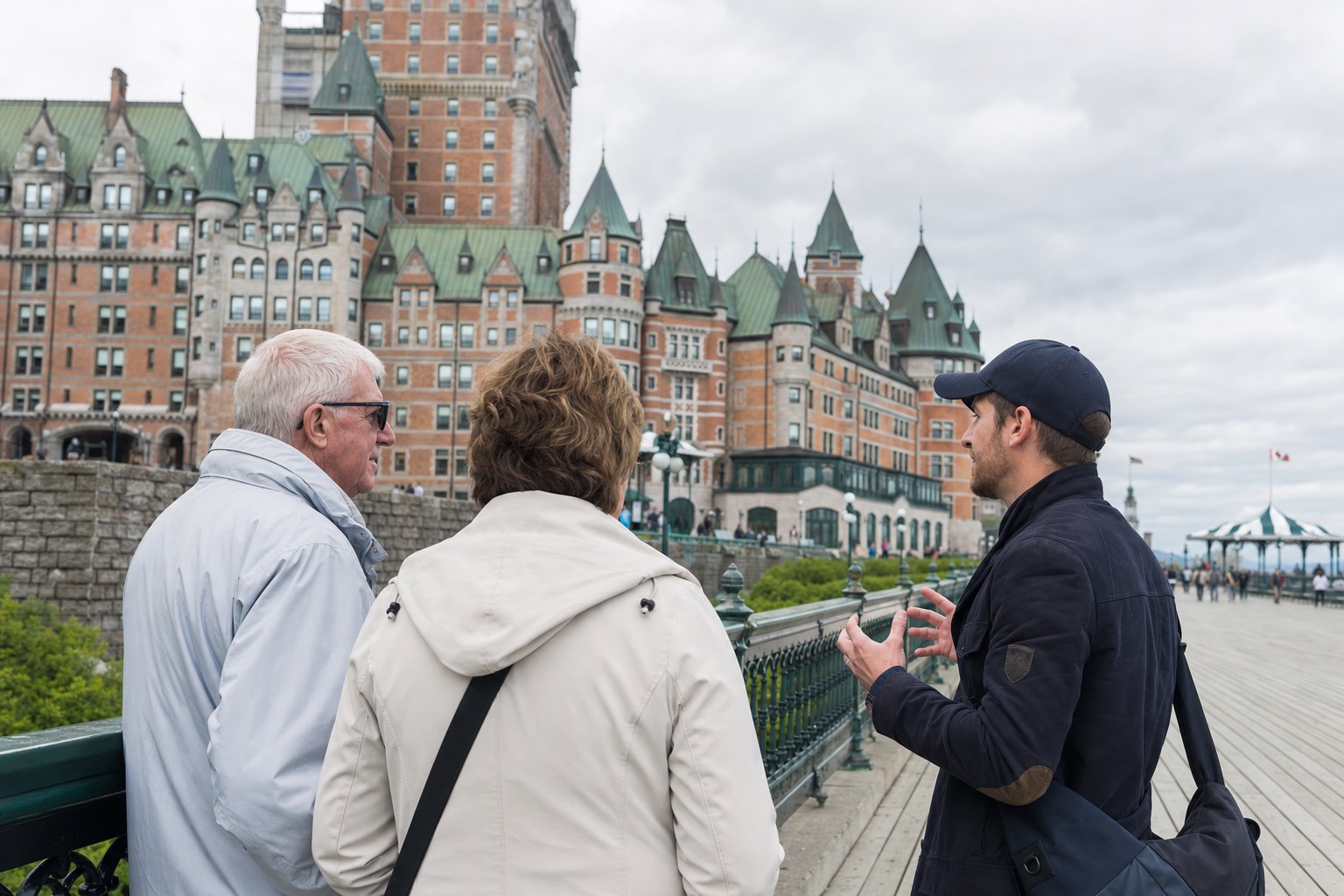
Are Americans welcome?
Yes, warmly. Quebec City has hosted American visitors for generations and its tourism industry is fully bilingual. It is a French-first city, so open every exchange with a Bonjour, switch to English freely after that, and you will be received as a guest rather than an inconvenience.
A couple from Vermont stopped me last week at the top of the Casse-Cou stairs, a little out of breath, and asked the question quietly, the way people ask things they are half afraid of: "Be honest with us. Do people here actually want Americans around?" I have been guiding this city since 2022, more than a thousand international travellers by my own count, and Americans are the guests I walk with most. So let me answer it the way I answered them, plainly and without the diplomatic fog.
TL;DR: Americans are welcome in Quebec City, genuinely and visibly so. The city is French-first, roughly 95% francophone, yet the tourism core answers you in English all day long. Bring a passport (or a passport card at the land border), open with "Bonjour", and enjoy an exchange rate that knocks about 29% off every Canadian price tag.
Are Americans Welcome In Quebec City?
Yes, and not grudgingly. Quebec City is a tourism town that has received American visitors for generations, and the welcome is warm, practiced and real. The one cultural expectation is small: this is a French-first place, so greet people with a Bonjour before sliding into English. That single word changes the temperature of every interaction.
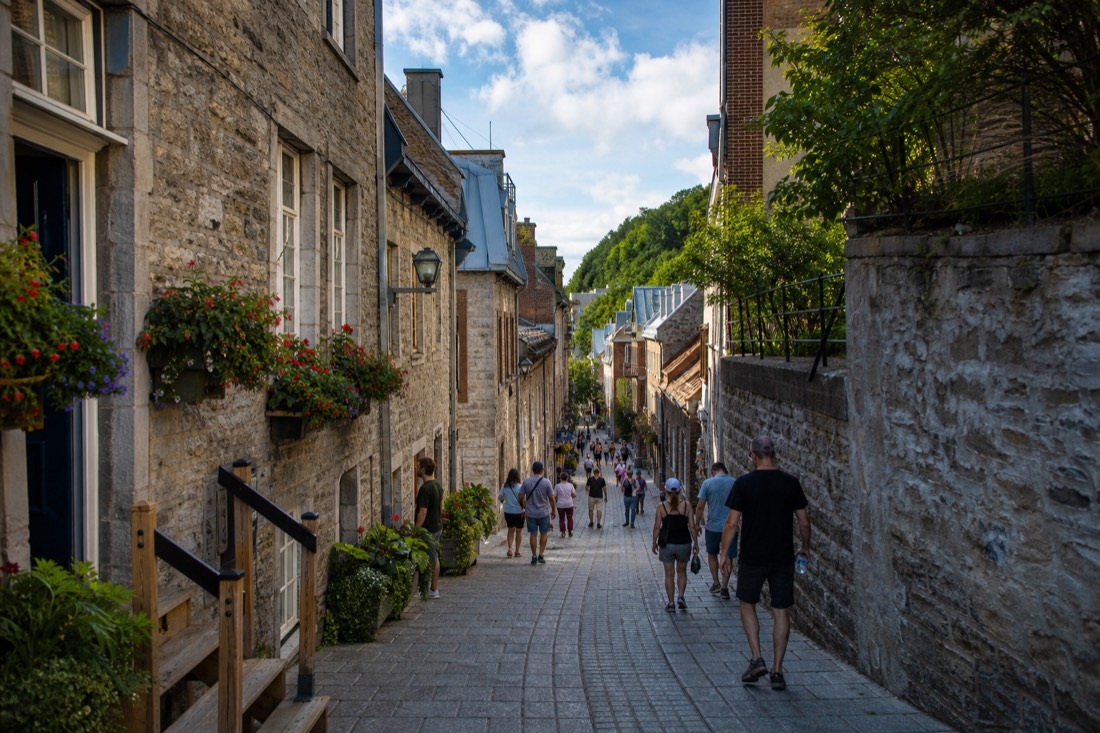
Walk Petit Champlain on any July afternoon and listen. You will hear American accents from New England, the Midwest, Texas, all of it, mixing with French from the shopkeepers who greet them. Nobody flinches. The restaurants inside the walls seat American families every single service, the hotels are staffed for them, and guides like me build our working weeks around them. By my own count, no other nationality shows up on my walks as often.
The anxiety behind this question is understandable, and I hear it more than I used to. People read headlines about politics and trade and wonder whether that tension walks the cobblestones too. It does not. A visitor standing in Place Royale is not a policy. You are a person who chose to spend your vacation in our home, and Québécois hospitality takes that seriously. The official tourism office publishes its entire site in English for a reason: you are the expected guest, not the tolerated one.
What earns you an even warmer reception is effort, in tiny doses. Bonjour when you enter a shop. Merci when you leave. Nobody expects your high-school French to survive a menu, and if you want to see how the city presents itself to first-timers, the rundown of things to do in Quebec City is where most of my guests start.
Is Quebec City Friendly To Americans Right Now?
Yes, in 2026 as before. Cross-border politics has not changed how individual American travellers are treated on the street, in restaurants or on tours. The tourism industry here is fully bilingual and built around US visitors. Courtesy in, courtesy out: the rare cold shoulder almost always follows a skipped Bonjour, not a passport.
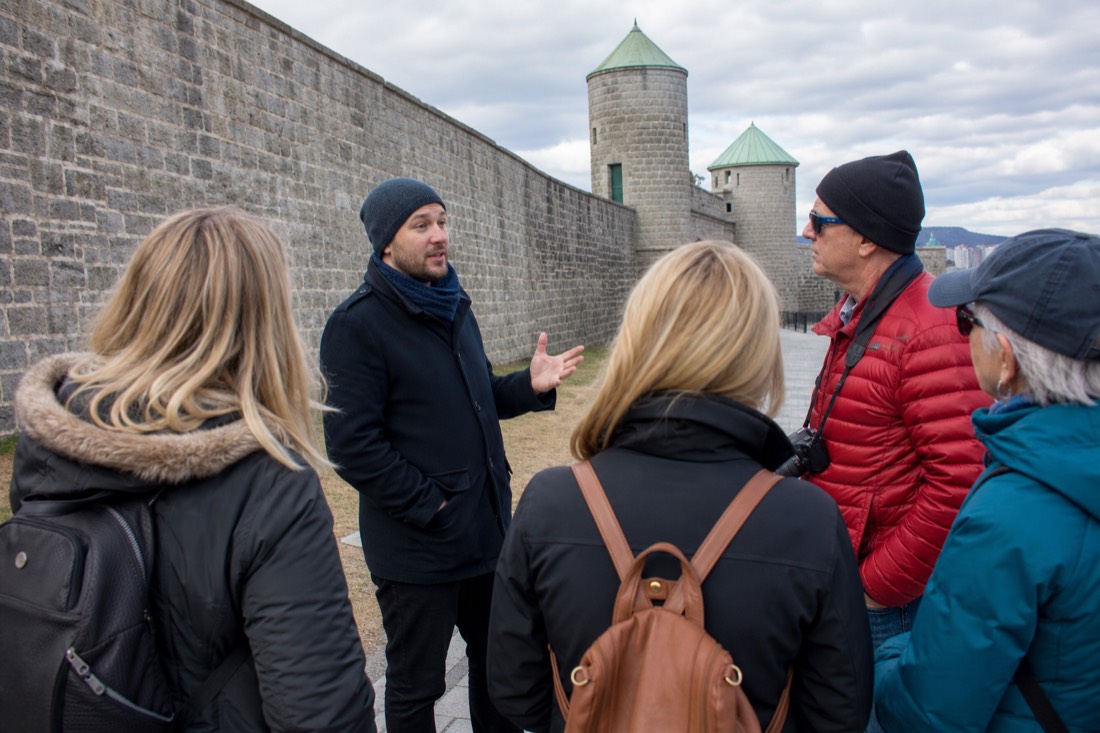
The "still welcome" version of this question spiked in my inbox this year, and I understand why. So here is the street-level truth from someone who works those streets daily: my American guests get the same jokes, the same extra five minutes at the cannon on the Citadelle side, the same restaurant tips scribbled on the back of my card as everyone else. Servers switch to English mid-sentence without drama. Shopkeepers in the Quartier Petit Champlain will happily talk maple syrup grades with you for ten minutes.
If any friction exists, it lives at the level of governments, not terraces. Québécois make a clean distinction between a country's politics and its people, partly because they know exactly what it feels like to be reduced to a stereotype themselves. Come curious, tip normally, learn two words of French, and you will leave with the opposite problem: guests regularly tell me the friendliness caught them off guard.
The fastest way to feel like a local instead of an outsider is to spend your first two hours with a guide who can decode the city for you. Most of my American guests pick a small-group walk from the walking tours lineup, and the Classique is the one I point first-timers toward: check live availability & prices on Viator, where it holds 4.9 stars across more than 1,500 reviews. Two hours, Upper and Lower Town, funicular included, English throughout.
Do Americans Need A Passport To Visit Quebec City?
Flying in, yes: a valid US passport book is required. Driving or arriving by sea, a passport card, an enhanced driver's license or a NEXUS card also works. US citizens need no visa and no eTA for a normal visit. Rules can shift, so confirm on the official border agency site before you travel.
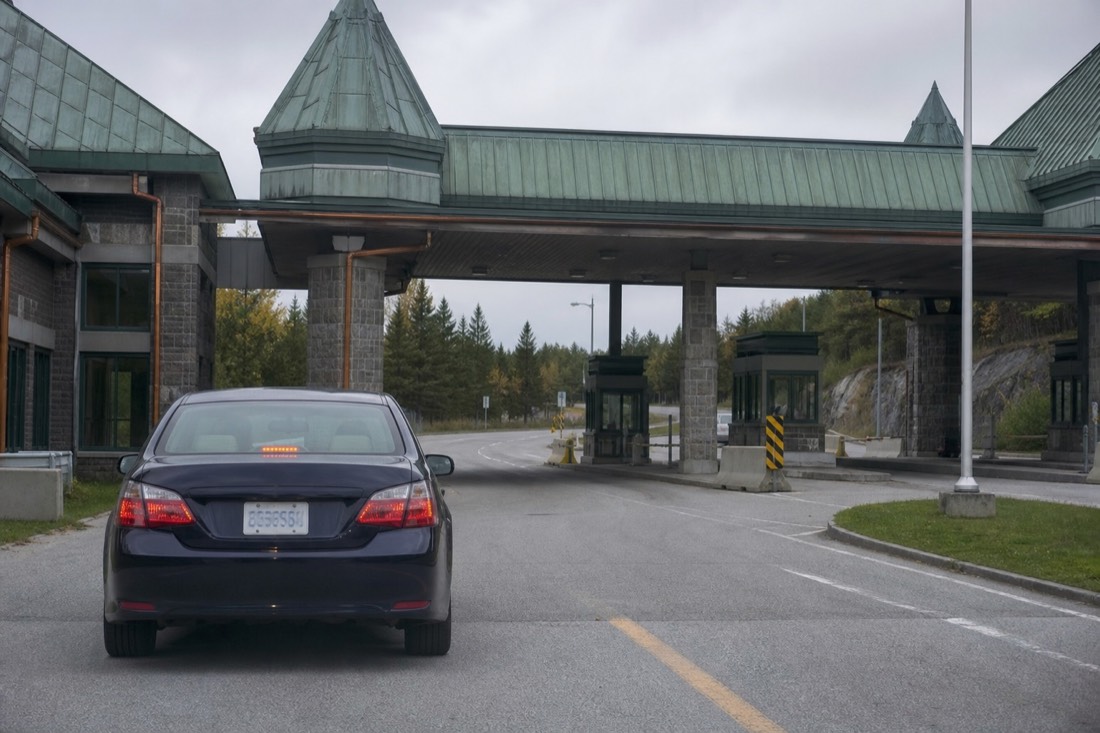
The documents question is the practical half of "are we welcome," and the answer is friendlier than most Americans expect. There is no visa application, no fee, no electronic authorization for US citizens arriving as tourists. You show your document, answer a few plain questions about your trip, and drive on toward the river. The authoritative source is the Canada Border Services Agency, and it is worth a five-minute read the week before you leave, because entry rules are the one thing on this page that a government can change faster than I can update it.
| How you arrive | Adults (16+) | Children under 16 | Visa or eTA? |
|---|---|---|---|
| By air | US passport book | US passport book | No, none for US citizens |
| By car (land border) | Passport, passport card, enhanced driver's license or NEXUS | Proof of citizenship such as a birth certificate | No |
| By sea (cruise or ferry) | Passport, passport card, enhanced driver's license or NEXUS | Proof of citizenship such as a birth certificate | No |
Two habits save people grief at the crossing. First, declare honestly and keep answers short; officers are direct, not hostile, and they hear a thousand nervous over-explanations a day. Second, if you are driving up from New England, build the border wait into your day rather than treating it as an ambush. Plenty of my guests pair the drive with a night in Montreal first, and the Montreal versus Quebec City comparison settles how to split that time.
Can American Tourists Get By In English In Quebec City?
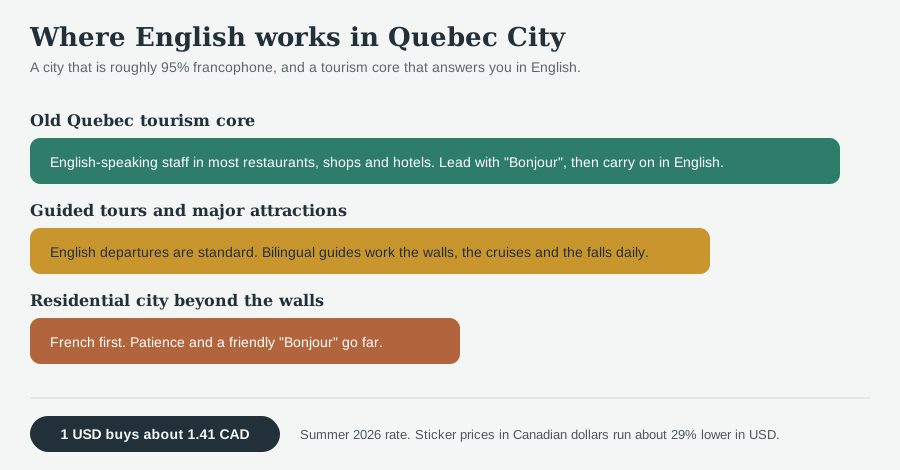
In the tourism core, comfortably yes. The city is about 95% francophone, yet most restaurants, shops and hotels in Old Quebec have English-speaking staff, and English tour departures are standard. Start every exchange with Bonjour, and expect more French the further you wander from the walls.
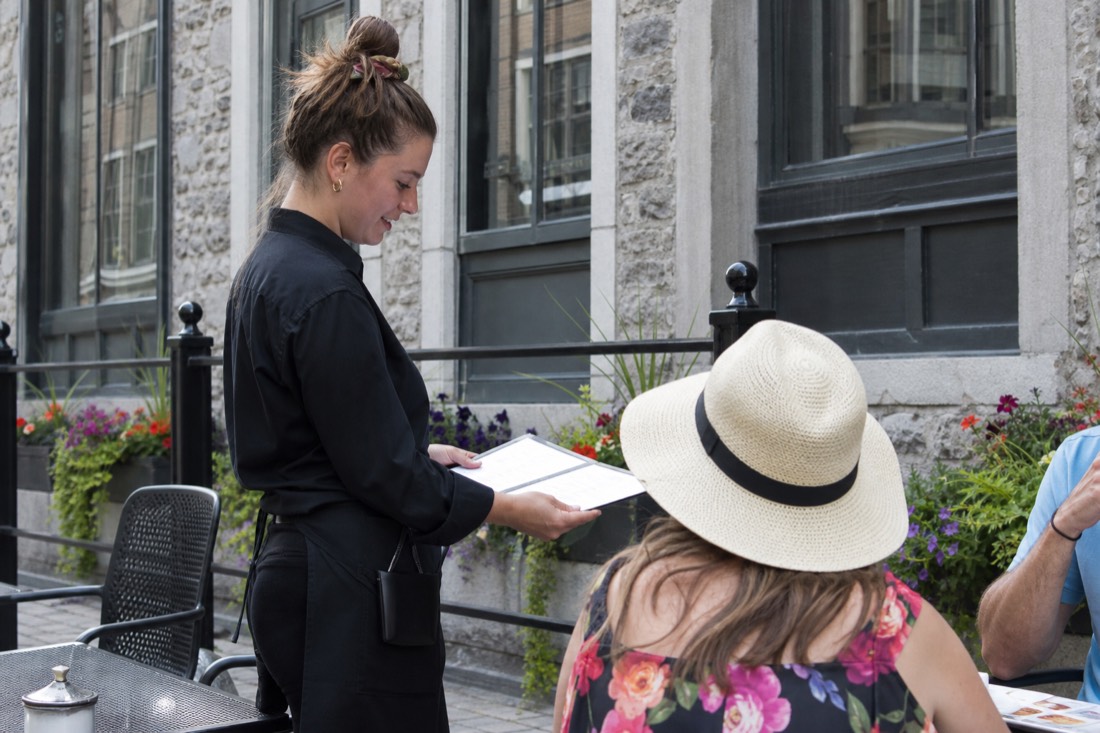
Here is the honest map of the language line. Inside the walls and down in Petit Champlain, you can pass an entire day in English without a single stalled conversation. Hotel desks, ticket counters, the funicular, the big terraces on Grande Allée: all of it functions in English every day of the season. In Montreal you will hear the famous "Bonjour/Hi" opener; here it is usually just "Bonjour", and the kindest thing you can do is answer with one before continuing in English. The switch happens instantly and without ceremony.
| Situation | English comfort level | What helps |
|---|---|---|
| Old Quebec hotels, restaurants, shops | High; English-speaking staff is the norm | Open with Bonjour, then speak naturally |
| Guided tours, cruises, attractions | High; English departures run daily | Book the English time slot, not just the date |
| Taxis, buses, pharmacies outside the core | Mixed; French first | Short sentences, place names, patience |
| Residential neighbourhoods, local diners | French strongly dominant | A translation app and a smile |
Food is where English-only travellers worry most and need to least. Menus in the old town almost always exist in English, servers translate the daily specials without being asked, and the guided tastings on the food tours circuit are led in English as a matter of course. If you plan to push beyond the walls into Saint-Roch or Limoilou, and you should, treat it like a light game rather than a test. Pointing at a pastry works in every language ever spoken.
Which French Words Do Americans Actually Need In Quebec City?
Four, honestly: bonjour, merci, s'il vous plaît, and parlez-vous anglais. Bonjour is the one that does the work, because it signals you know whose city this is before you ask for anything. The rest is decoration that people enjoy. Nobody expects a conversation, and switching to English after the greeting is normal and instant.
There is a myth that Quebec rewards fluency. It does not, particularly. What it rewards is acknowledgement, which is a much lower bar and takes one syllable and a half. I have watched the same shopkeeper give a curt nod to a visitor who opened with "do you speak English" and a five-minute maple syrup tutorial to the next one who opened with bonjour and then asked exactly the same question in exactly the same English.
Pronunciation matters less than you fear. Nobody is grading you, and a flat American bonjour is received warmly because the effort is the message, not the accent. The one habit worth building is putting the greeting first in every single interaction, including ones where you are only asking directions. Walking up to a stranger and starting in English reads, here, roughly the way it would read anywhere else in the world.
Below is the whole vocabulary I hand my American guests on the first morning. Anything beyond it is a bonus.
| Phrase | Say it roughly like | Where it earns you something |
|---|---|---|
| Bonjour | bon-ZHOOR | Entering any shop, restaurant, museum or taxi. Non-negotiable |
| Merci | mair-SEE | Leaving anywhere, and after any small kindness |
| S'il vous plaît | seel-voo-PLEH | Attached to any request, including one made in English |
| Parlez-vous anglais? | par-lay VOO on-GLAY | The polite bridge, after bonjour, before your actual question |
| Excusez-moi | ex-koo-zay MWAH | Squeezing past on a narrow Petit Champlain sidewalk |
| L'addition | lah-dee-SYON | Asking for the bill, which never arrives unrequested here |
| Au revoir | oh-ruh-VWAHR | Leaving a small shop where you bought nothing |
What Do American Visitors Most Often Get Wrong About Quebec City?
Three things, repeatedly: that the prices on the menu are US dollars, that a passport card will get them onto a plane, and that this city works like Montreal. The first costs them nothing but confusion. The second can cancel a trip at the gate. The third just produces a slightly awkward first hour.
Corrections are cheap when they happen before the trip and expensive when they happen at an airline counter. The document one is the only genuine trip-ender on the list, so I will say it twice: flying in requires the passport book. The card, the enhanced license and NEXUS are land and sea documents. Every year somebody discovers this on a Thursday afternoon in a terminal, and there is no local fix for it.
The rest of the misunderstandings are gentler. Americans arrive braced for a language exam and find a tourism industry that has been answering in English for generations. They arrive braced for hostility about whatever the news cycle is doing and find a service industry that treats them as the expected guest. And they arrive expecting Montreal's bilingual "Bonjour/Hi", which is not the greeting here; inside these walls it is usually just bonjour, and the switch to English happens the moment you need it.
| The assumption | What is actually true | What to do about it |
|---|---|---|
| Menu prices are in US dollars | They are Canadian. One US dollar bought about 1.41 CAD in late July 2026 | Mentally knock a bit under a third off any sticker price |
| A passport card works for flying | Only by land or sea. Air travel needs the passport book | Check the document before you book the flight, not after |
| I will need a visa or an eTA | US citizens need neither for a normal tourist visit | Confirm current rules on the border agency site the week before |
| Everyone speaks English everywhere | The city is roughly 95% francophone. The tourism core is the bilingual part | Expect more French the further you get from the walls |
| It works like Montreal | Here the greeting is usually just "Bonjour", not "Bonjour/Hi" | Answer with bonjour, then continue in English |
| The card terminal offering USD is a courtesy | It carries its own markup | Always choose to be charged in Canadian dollars |
What Does An American'S First Afternoon In Quebec City Look Like?
Drop the bags, get inside the walls on foot, and let somebody else do the orientation. Two hours with a guide, an early dinner, and a slow walk on Dufferin Terrace at dusk is enough for one arrival day. Save the falls, the island and the river for a rested morning.
Arrival days get overloaded and then remembered badly. Whether you have driven up from New England or flown in, the useful thing on day one is not covering ground, it is building a mental map so the next two days work. That is the entire argument for putting a walking tour first rather than saving it for later in the trip, which is how most people instinctively schedule it and why most people wish they had not.
There is a second reason to walk it early: the old town is small, dense and confusing in a pleasant way, and every visitor spends a couple of hours getting oriented whether they plan to or not. You can spend those two hours lost, or spend them with someone explaining the fortifications while your feet learn the hill. The timings below are my own allowances, not any operator's schedule.
| Hour | What you are doing | Allowance | Why here |
|---|---|---|---|
| Arrival | Hotel, bags, no plans | 30 min | The border or the drive has already taken your patience |
| Hour 1 | Walk to Place d'Armes without a map | 45 min | Get lost cheaply, inside a very small area |
| Hours 2 to 4 | A guided walk of Upper and Lower Town | Allow 2 h plus getting there | The orientation that makes the rest of the trip efficient |
| Hour 5 | Early dinner, inside the walls | 90 min | Kitchens are calm before the local dinner hour |
| Dusk | Dufferin Terrace, slowly | 45 min | The river, the lights, and no further decisions |
| Evening | Bed, honestly | n/a | Tomorrow is the day you climb things |
Is Quebec City Cheaper For Americans Paying In US Dollars?
Effectively yes, thanks to the exchange rate. As of late July 2026, one US dollar buys about 1.41 Canadian dollars, so every CAD price is roughly 29% lower once converted. A CAD $100 dinner lands near USD $71. Pay by card in Canadian dollars and decline dynamic currency conversion to keep that whole discount.
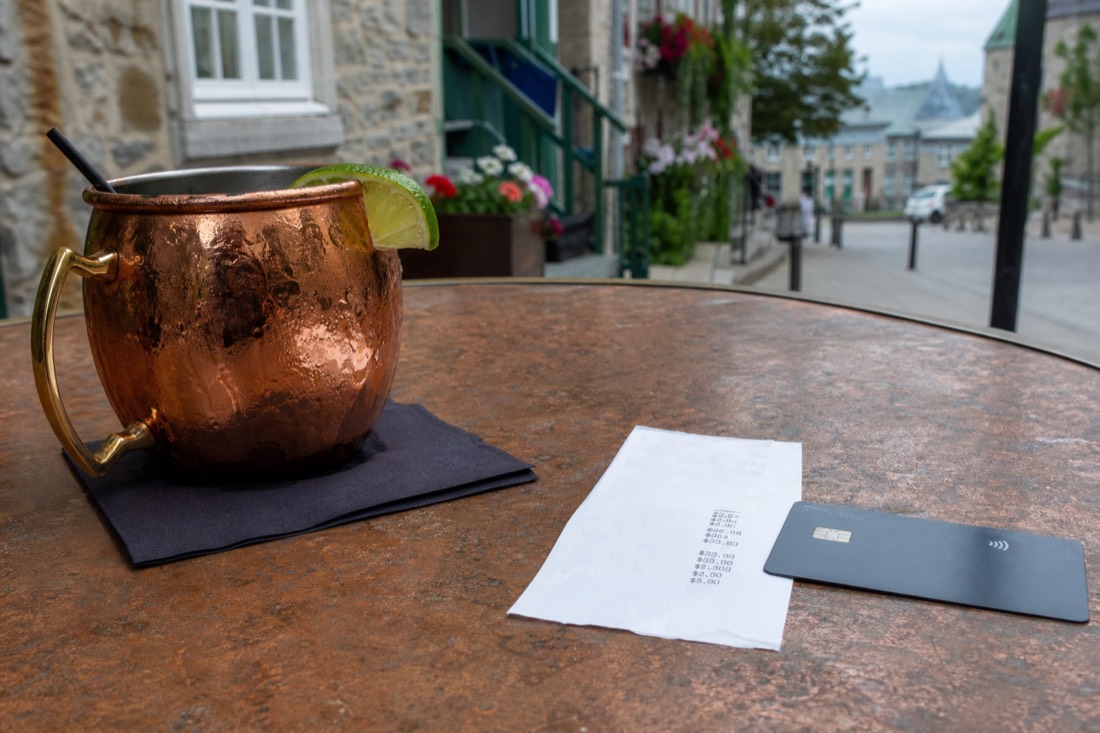
This is the part of the answer that makes my American guests grin. Prices posted in Quebec City look like US prices at a glance, but they are Canadian dollars, and each one quietly costs you 40-odd cents less than it appears to. The mental shortcut I give guests: knock a bit under a third off any sticker price and you have the rough USD figure.
| Price tag in CAD | Roughly in USD | The shortcut |
|---|---|---|
| $10 | about $7 | Coffee-and-pastry territory |
| $25 | about $18 | A casual lunch |
| $50 | about $35 | Mid-range dinner main plus a drink |
| $100 | about $71 | A very good dinner for one |
| $200 | about $142 | A splurge evening for two |
One caution so the math stays on your side. When a card terminal offers to charge you in US dollars, say no; that convenience feature carries its own markup, and paying in CAD lets your bank apply the real rate. Cash-wise, you rarely need much, since even the smallest crêpe counters take cards. Budgeting a full trip? The 1, 2 or 3 day itinerary breaks the city into day-sized pieces you can price out in advance.
So, to the couple from Vermont, and to everyone typing this question into a search bar at midnight: come. Bring the passport, bring the Bonjour, and let the exchange rate buy the second dessert. The city has been welcoming your compatriots since long before either of us was here to notice, and it is very good at it.
Your Next Step
Choose Your Quebec Experience
General recommendation, before you add preferences. Confirm dates and participation requirements with the operator.
Have your travel date in mind? Connect Place Royale, Petit Champlain and the upper town with a licensed guide and an included funicular ride. Check the departure before arranging the rest of your day.
2 hours; meet at 112 Rue Saint-Paul and finish near City Hall. Hotel pickup is excluded.
Departure schedule from Viator; final availability and price are confirmed on Viator.
Compare Options And Fit Your Plans
Connect Place Royale, Petit Champlain and the upper town with a licensed guide and an included funicular ride. 2 hours; meet at 112 Rue Saint-Paul and finish near City Hall. Hotel pickup is excluded.
Taste poutine, pea soup and maple treats across a guided Old Quebec food walk. 3 hours, English guide. Menus can change; dietary substitutions require advance confirmation.
Explore the fortifications and historic gates with a licensed guide in period military costume. 2 hours in English or French; meet at the Wolfe-Montcalm Monument, 7 Rue des Carrières. An outdoor heritage circuit; Citadelle and battlefield museum entry are not included.
Affiliate links: we may earn a commission at no extra cost to you.